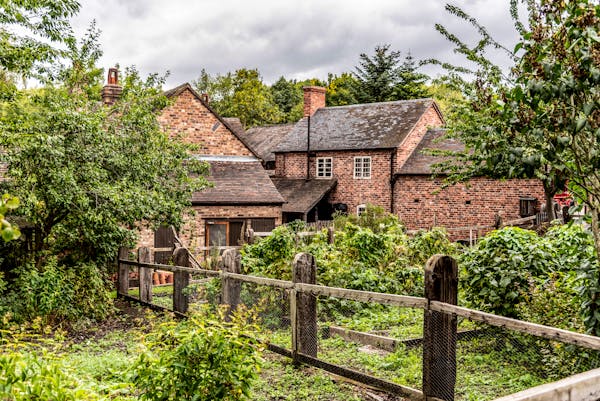
I didn’t set out to build a life around the cottage core aesthetic—it sort of found me. A forgotten wicker basket here, a patch of lavender outside my window, a handmade quilt draped over a weathered armchair—before I knew it, my home had transformed into what people now lovingly call a cottage core house. But to me, it’s more than a visual trend; it’s a lifestyle that brings peace, nostalgia, and quiet joy into every corner of my home.
The beauty of a cottage core house is in its imperfections. It thrives on the mix of old and older. Vintage teacups that don’t match, chipped ceramic pitchers used as vases, and antique mirrors reflecting dappled sunlight through lace curtains. It’s a soft rebellion against modern minimalism and sterile design, a return to the comforts of simpler times. In my own home, nothing feels too precious to touch. The shelves are filled with books I actually read, not just ones that look good in a flat lay.
One of my favorite things about this style is how much of it is created through intention rather than expense. You don’t need designer pieces to evoke the charm of a cottage core house. In fact, it’s better if you don’t. A trip to the flea market or a walk through a thrift shop often yields the most enchanting treasures—embroidered linens, brass candlesticks, hand-painted plates. Every item has a story, and those stories breathe life into your surroundings in a way no mass-produced décor ever could.

Creating the Cottage core Atmosphere Room by Room
When I started weaving cottage core into the fabric of my daily life, I began with the kitchen. There’s something sacred about this space in a cottage core house. Mine is filled with open shelving, ceramic canisters, and herbs drying by the window. The clink of wooden spoons in clay jars, the scent of sourdough baking in the oven, and the gentle flicker of a beeswax candle—it’s all part of the ambiance. Cooking in this kitchen doesn’t feel like a task; it feels like a ritual.
The bedroom is another sanctuary. I traded my sleek, modern bed for an iron-frame one, painted a soft cream. I layered the bed with floral linens, crocheted throws, and pillows made from repurposed fabric. Waking up surrounded by textures and colors that feel warm and lived-in has changed the way I start my day. Even the nightstands—mismatched and full of character—hold treasures like old books, dried lavender bunches, and handmade journals. Nothing is too curated, and that’s the point.
In the living room, a fireplace is the heart of it all, even when it’s not lit. Above it, there’s an arrangement of pressed flowers and small oil paintings I picked up from local artists. The coffee table is an old trunk filled with board games and embroidered coasters. I keep a basket of yarn and knitting needles nearby, not because I’m an expert, but because the act of creating feels inherently cottagecore. Whether it’s baking bread or stitching a hem, doing things by hand has become a cornerstone of how I live.
Embracing the Cottage core Mindset Beyond Aesthetics
It took me a while to realize that the cottagecore house isn’t just about how your home looks—it’s about how you live in it. It’s slow mornings with a cup of tea in the garden. It’s writing letters by hand, growing tomatoes in mismatched pots, and reading poetry out loud to yourself. This lifestyle invites you to step away from hustle culture and reconnect with what truly matters. It turns daily routines into tiny rituals that feel nourishing.
There’s a sense of gratitude that grows when you begin to live this way. You start to appreciate the creak of the floorboards, the way sunlight hits the dining table at 4 p.m., the sound of rain on the roof while you’re wrapped in a quilt. Even chores become different. Sweeping the floor feels less like maintenance and more like caretaking. Folding laundry becomes a tactile experience when it’s linen and cotton rather than synthetic blends.
To me, a cottage core house is the ultimate form of self-expression. It reflects your values—sustainability, mindfulness, creativity. You decorate with what you love, not what’s trending. You take time to bake bread not just for the flavor, but for the process. And while the aesthetic draws from vintage inspiration, the spirit of it is entirely modern—a response to a chaotic world that asks you to slow down, breathe deeply, and simply be. That’s the magic of cottagecore living, and why I never want to live any other way.