Breathing Space: My Journey into Apartment Minimalist Design
Finding a space to truly call my own has always been a dream. The hustle and bustle of city life, the constant feeling of being cramped, it all weighed heavily on me. So, when the opportunity arose to move into a small apartment, I didn’t see it as a setback. Instead, I saw it as a blank canvas, a chance to explore something I’d always been fascinated by: apartment minimalist design.
This wasn’t just about decluttering; it was about creating a sanctuary, a space that reflected my values and promoted serenity. Minimalism, to me, isn’t about deprivation, but about intentionality. Every item in my apartment serves a purpose, tells a story, or brings me joy. This journey was a process of discovery, both of my space and myself.
My initial approach was, admittedly, chaotic. I dove headfirst into Pinterest, Instagram, and countless design blogs, overwhelmed by the sheer volume of inspiration. The images were stunning, showcasing sleek lines, neutral palettes, and an almost ethereal sense of calm. But translating those aspirational images into the reality of my own cramped apartment felt daunting.
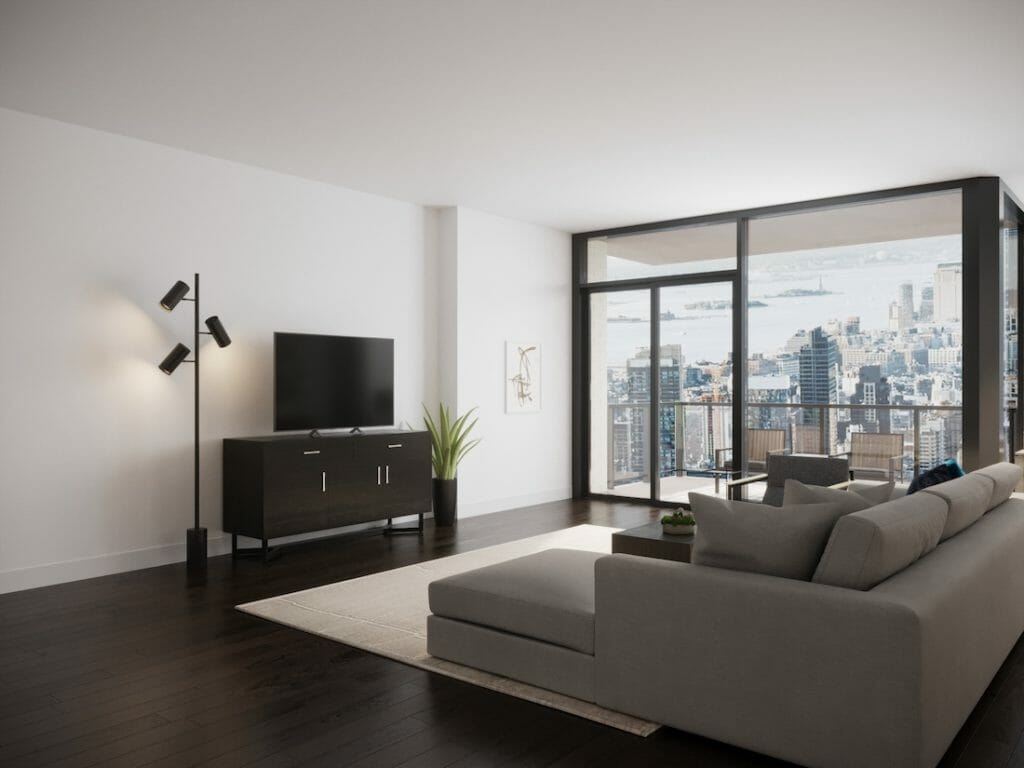
The Great Purge: Letting Go of the Excess
The first step in my apartment minimalist design journey was undeniably the hardest: decluttering. I started small, tackling one drawer, one shelf, one closet at a time. It was a surprisingly emotional process. Each item held a memory, a story, a piece of my past. Letting go felt like letting go of a part of myself.
I found myself questioning the value of each object. Did it serve a practical purpose? Did it bring me joy? If the answer was no to both, it had to go. I donated countless items to charity, some to friends, and a surprising number ended up in the recycling bin. The process was slow, sometimes painful, but ultimately incredibly liberating.
The physical act of decluttering had a ripple effect. As the clutter disappeared, so did the mental clutter. My mind felt clearer, more focused, and less weighed down by the weight of possessions. The space felt lighter, both physically and metaphorically. I started to breathe easier.
Choosing a Palette: The Power of Neutral Tones
With the clutter gone, I turned my attention to the color palette. I’ve always been drawn to neutral tones – the calming effect of whites, creams, and greys has always appealed to me. They create a sense of spaciousness and tranquility, perfectly complementing the minimalist aesthetic I was aiming for.
I chose a base of off-white for the walls, allowing the natural light to flood the space. This light and airy feel is essential in a smaller apartment. I incorporated subtle pops of color through carefully selected accessories – a vibrant throw pillow, a colorful piece of artwork, a vase of fresh flowers. These touches added personality without overwhelming the minimalist design.
The careful selection of colors was crucial. Too many colors can make a small space feel cramped and chaotic. By sticking to a neutral palette, I created a sense of order and calm, a space that felt both inviting and sophisticated. This was a conscious decision, driven by a desire for a peaceful and functional living environment.
Furniture Function: Form Follows Function
Next came the furniture. This was where the concept of "form follows function" truly took hold. Every piece of furniture had to serve a purpose, and it had to be both practical and aesthetically pleasing. I opted for multi-functional pieces wherever possible.
A sofa bed served as both seating and a guest bed. A coffee table with storage provided extra space for blankets and books. A sleek, minimalist desk tucked neatly into a corner served as my workspace. Every piece was chosen with careful consideration, ensuring it not only looked good but also maximized space and functionality.
The key was to avoid clutter and maximize the available space. I chose furniture with clean lines and simple designs, avoiding anything too ornate or fussy. The furniture itself became part of the minimalist design, contributing to the overall sense of calm and order. The focus was always on functionality and practicality.
Lighting Magic: The Importance of Natural and Ambient Light
Lighting plays a crucial role in apartment minimalist design. I maximized natural light by keeping window treatments minimal, opting for sheer curtains that allowed ample sunlight to filter through. Natural light brightens the space and creates a sense of openness.
In the evenings, I relied on a combination of ambient and task lighting. Soft, warm-toned lighting created a cozy atmosphere, while strategically placed task lights illuminated specific areas, such as my reading nook or my workspace. The interplay of light and shadow added depth and dimension to the space.
The right lighting can dramatically alter the mood and ambiance of a room. I experimented with different types of lighting until I found the perfect balance – a blend of natural light during the day and soft, warm artificial light at night. This carefully curated lighting scheme was instrumental in creating the serene and inviting atmosphere I desired.
Accessorizing with Intention: Less is More
Once the furniture was in place, it was time to accessorize. This was where the "less is more" philosophy truly shone. I chose only a few carefully selected items – a few pieces of artwork, some plants, and a few decorative objects. Each item had to be meaningful and add to the overall aesthetic.
I avoided clutter by keeping surfaces clear and uncluttered. I grouped similar items together, such as books and magazines, to create a sense of order and organization. The overall effect was a space that felt both stylish and uncluttered. The carefully chosen accessories became focal points, adding personality without overwhelming the minimalist design.
The accessories were carefully chosen, each one reflecting my personal style and adding a touch of warmth and personality to the space. It was a delicate balance – adding enough to make the space feel lived-in, but not so much that it felt cluttered or overwhelming. This delicate balance was key to the success of the design.
The Ongoing Evolution: Apartment Minimalist Design as a Lifestyle
My apartment minimalist design journey isn’t a destination; it’s an ongoing process. My style evolves as my needs and preferences change. I regularly declutter, reassess my belongings, and make adjustments as needed. It’s a continuous cycle of refinement and improvement.
It’s not about perfection, but about intentionality. It’s about creating a space that reflects who I am and supports the life I want to live. Minimalism isn’t just about the aesthetics; it’s a mindset, a way of living that prioritizes intentionality, simplicity, and mindful consumption.
Minimalist living has brought me a sense of calm and clarity I never thought possible. My apartment is more than just a space to live; it’s a sanctuary, a reflection of my values, and a constant source of inspiration. It’s a testament to the power of intentional living and the beauty of simplicity. This ongoing evolution is what makes the journey so rewarding.
The Unexpected Benefits: More Than Just Aesthetics
Beyond the aesthetic appeal, my apartment minimalist design journey has yielded unexpected benefits. My mental clarity has improved significantly. The lack of visual clutter translates into a calmer, more focused mind. I feel less stressed and more in control of my environment.
The process of decluttering and organizing has also improved my productivity. With less clutter to distract me, I’m able to concentrate better on my work and other tasks. My home is now a haven of peace and productivity, a space where I can relax, recharge, and be creative.
Perhaps the most surprising benefit is the increased sense of freedom. By owning less, I feel less burdened by material possessions. I’m less attached to things, and more focused on experiences and relationships. This newfound freedom is invaluable. It’s a feeling of liberation that extends far beyond the four walls of my apartment.
A Personal Sanctuary: The Heart of Apartment Minimalist Design
In the end, my apartment minimalist design is more than just an aesthetic choice. It’s a personal sanctuary, a space that reflects my values and supports my well-being. It’s a testament to the power of intentionality and the beauty of simplicity.
It’s a space where I can relax, recharge, and connect with myself. It’s a space that brings me peace and joy, a place where I feel truly at home. This sense of peace and calm is the true heart of apartment minimalist design.
This journey has taught me that less is truly more. It’s not about deprivation, but about intentionality. It’s about creating a space that nurtures your soul and supports the life you want to live. It’s about finding beauty in simplicity and embracing the transformative power of minimalism. And that, for me, is priceless.