Boho Minimalist Interior Design: Finding Harmony in Opposites
Are you tired of the relentless pressure to choose between a cluttered, bohemian explosion of color and texture, and a stark, minimalist aesthetic that feels cold and impersonal? What if you could seamlessly blend the free-spirited charm of boho style with the calming serenity of minimalism? This is the heart of boho minimalist interior design, a style that’s not just a trend, but a reflection of our growing need for balance in a chaotic world.
The quest for this harmonious blend is deeply rooted in our cultural moment. We live in an age of information overload, a constant barrage of stimuli that leaves many feeling overwhelmed. Minimalism, with its emphasis on decluttering and intentional living, offers a powerful antidote. But stark minimalism can feel sterile, lacking the warmth and personality many crave. This is where the bohemian spirit steps in. Boho, with its rich tapestry of textures, global influences (think Etsy finds and vintage treasures), and vibrant pops of color, injects life and soul into a space. Think of it as the yin and yang of interior design.
Historically, minimalism emerged as a reaction against consumerism, a deliberate rejection of excess. Its roots can be traced back to movements like Bauhaus and Japanese aesthetics, emphasizing functionality and clean lines. Bohemian style, conversely, has always been about embracing individuality and self-expression, drawing inspiration from various cultures and artistic movements. It’s a style that reflects a journey of discovery, a celebration of handcrafted items and unique finds, much like the globalized world we inhabit.
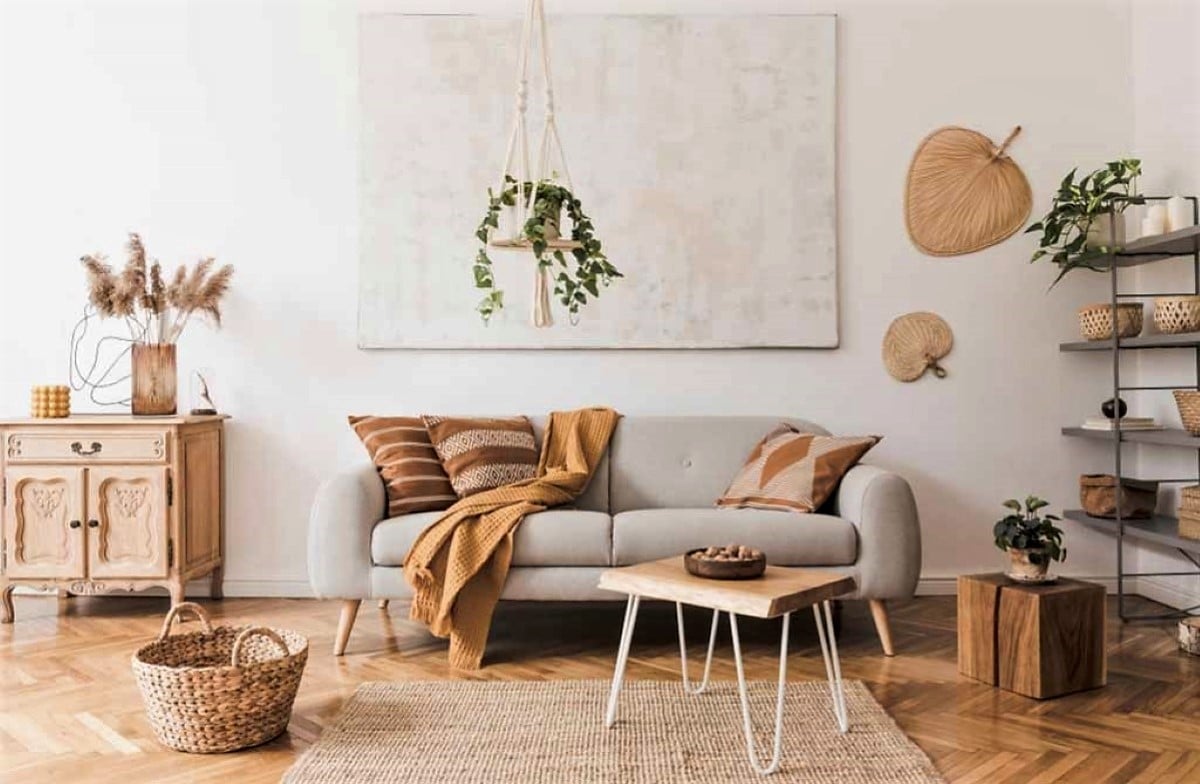
But how do we successfully marry these seemingly disparate styles? The key lies in intentional curation. Instead of a chaotic jumble of bohemian elements, we select a few key pieces – a hand-woven rug with a muted color palette, a statement macrame wall hanging, a collection of carefully chosen vintage pottery. These become focal points, carefully placed within a minimalist framework of clean lines, neutral colors, and ample negative space. Think of it as a carefully orchestrated symphony, where each instrument (furnishing) plays its part to create a harmonious whole.
The challenge lies in avoiding the pitfalls of both extremes. Too much boho can lead to visual clutter, overwhelming the senses. Too much minimalism can feel cold and impersonal, lacking the warmth and character that make a home truly feel lived-in. The sweet spot lies in finding the perfect balance – a space that is both visually appealing and emotionally resonant. This requires careful consideration of materials, textures, and color palettes. Natural materials like wood, rattan, and linen play a crucial role, grounding the space and creating a sense of calm. A muted color palette, with pops of color strategically placed, adds visual interest without overwhelming the eye.
Consider the work of renowned interior designers like Kelly Wearstler, who often incorporates bohemian elements into minimalist spaces, creating stunningly balanced interiors. Her designs demonstrate the power of using texture and carefully selected pieces to create a space that is both aesthetically pleasing and deeply personal.
The future of boho minimalist interior design lies in its adaptability. As our understanding of sustainable living grows, we will see a greater emphasis on ethically sourced materials and handcrafted pieces, further enriching the bohemian aspect. The challenge will be to maintain the balance, avoiding the trap of greenwashing and ensuring that the minimalist ethos remains central to the design process. Will we embrace this fusion of styles, or will we continue to be pulled between the extremes? The choice, and the creation of your own unique sanctuary, is yours. Start by decluttering, selecting a few key boho pieces, and creating a space that reflects your own unique personality and values. Begin your journey towards a harmonious and balanced home today.