The Unexpected Joy of a Minimalist Big House: Finding Space, Not Stuff
The idea of a minimalist big house might seem like an oxymoron. Minimalism, after all, conjures images of tiny, meticulously organized spaces. But what if I told you that embracing minimalism in a large home can be incredibly liberating? It’s a journey I’ve embarked on, and it’s been nothing short of transformative.
My family and I recently moved into a sprawling Victorian home. It was a dream come true, filled with high ceilings, sun-drenched rooms, and a history that whispered through the aged woodwork. But the sheer size of the house initially felt overwhelming. It was beautiful, yes, but also a potential cavern of clutter.
We could have easily fallen into the trap of filling every nook and cranny with furniture and possessions. That’s the common pitfall. Instead, we decided to approach it differently. We decided to embrace the minimalist philosophy, to use the space to enhance our lives, not to bury ourselves under it. This wasn’t about deprivation; it was about intentionality.
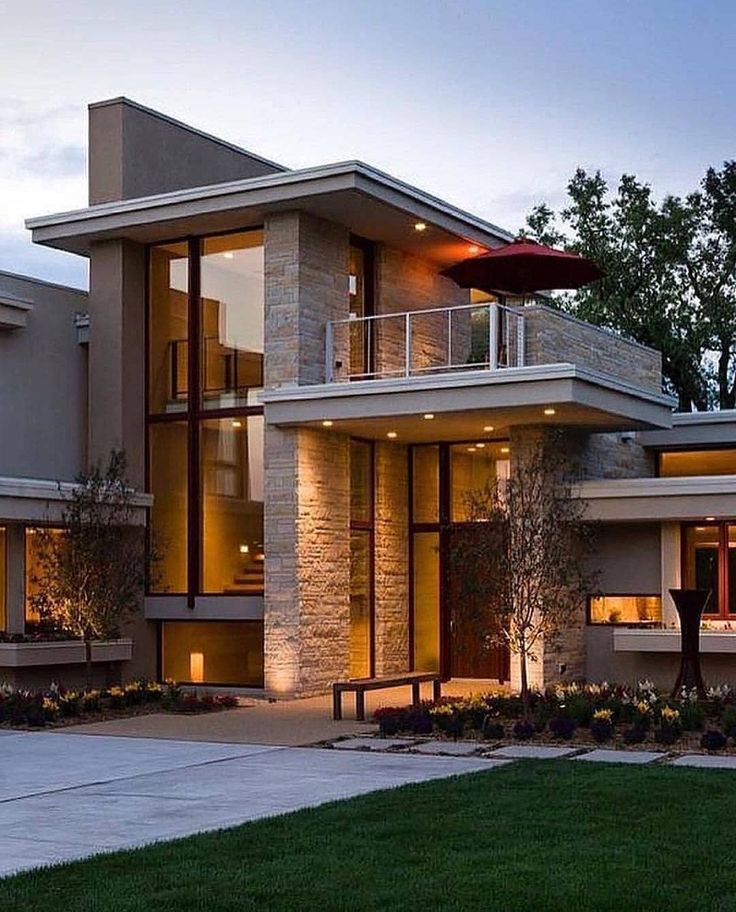
This wasn’t a sudden, drastic change. It was a gradual process, a mindful decluttering that unfolded room by room, piece by piece. We started by asking ourselves tough questions: Did we truly need this item? Did it bring us joy? Did it serve a practical purpose? The answers often surprised us.
The Purging Process: Letting Go of the Unnecessary
The first step was the hardest. We began in the attic, a space brimming with forgotten relics from previous generations. Boxes overflowed with old photographs, dusty toys, and heirlooms we never used. It was a sentimental journey, each item a memory waiting to be revisited. But we were firm in our resolve.
We meticulously sorted through each item, carefully evaluating its worth. Photographs were scanned and saved digitally, freeing up physical space. Toys that were no longer played with were donated to charity. Items that held sentimental value, but lacked practical use, were stored in clearly labeled boxes.
This process wasn’t always easy. There were moments of hesitation, moments of doubt. Letting go of things, even things we rarely used, felt like letting go of a part of ourselves. But with each item we purged, we felt a sense of lightness, a sense of freedom. The space began to breathe.
The attic, once a chaotic jumble, transformed into a clean, organized space. It was a small victory, but it fueled our momentum. We continued our decluttering journey, moving from room to room, applying the same principles of intentionality and careful consideration.
Reimagining Space: Functionality and Flow
With the unnecessary items removed, we began to reimagine the space. We didn’t want a sparsely furnished house; we wanted a home that was both spacious and functional. The key was thoughtful placement and purposeful design.
Large, empty spaces were no longer daunting but inviting. We opted for fewer, larger pieces of furniture, choosing quality over quantity. Natural light flooded the rooms, highlighting the clean lines and minimalist aesthetic. The house felt airy and spacious, a far cry from the cluttered space it once was.
We discovered the beauty of negative space. The empty corners weren’t empty at all; they were opportunities for reflection, for quiet contemplation. They allowed the eye to rest, to appreciate the beauty of the architecture and the natural light. The house itself became a work of art.
The flow of the house improved dramatically. With less clutter, movement became easier, more fluid. The spaciousness wasn’t just visual; it was felt in the ease of daily life. We moved more freely, our minds less cluttered by the weight of unnecessary possessions.
Embracing Natural Light and Open Spaces
One of the greatest advantages of a minimalist big house is the ability to maximize natural light. In our Victorian home, large windows and high ceilings allowed sunlight to flood the interior, creating a bright and welcoming atmosphere. This natural light was amplified by the minimalist approach.
With fewer items to obstruct the light, the rooms felt even more spacious and airy. The sunlight danced across the polished floors, illuminating the carefully selected furniture and artwork. The house felt alive, energized by the natural light.
We strategically placed mirrors to reflect the light, further enhancing the brightness and spaciousness. We also incorporated natural elements, such as plants and flowers, to create a calming and refreshing atmosphere. The house felt connected to the outside world, a seamless blend of indoor and outdoor living.
This connection to nature was a crucial part of our minimalist approach. It was about bringing the serenity of the outdoors into our home, creating a sanctuary where we could relax, recharge, and reconnect with ourselves. The large windows provided a stunning view of our garden, blurring the lines between inside and outside.
Minimalist Decor: Quality over Quantity
Our minimalist approach extended to our decor. We chose high-quality pieces that were both functional and aesthetically pleasing. We focused on natural materials, such as wood, stone, and linen, creating a warm and inviting atmosphere.
Instead of filling the walls with countless paintings and photographs, we opted for a few carefully chosen pieces that reflected our personal style and interests. The space felt less cluttered and more intentional.
We also incorporated textures to add visual interest. A soft, plush rug added warmth to the hardwood floors. The subtle texture of the linen curtains added a touch of elegance. The minimalist aesthetic wasn’t about stark simplicity; it was about refined elegance.
The result was a home that was both beautiful and functional, a space that reflected our values and our lifestyle. It wasn’t about sacrificing comfort or style; it was about making conscious choices, about choosing quality over quantity.
The Unexpected Benefits of Minimalist Living in a Large Space
The transition to minimalist living in our big house wasn’t just about decluttering; it was about a shift in mindset. It was about prioritizing experiences over possessions, about valuing quality time with loved ones over accumulating material goods.
One of the unexpected benefits was the increase in peace and tranquility. The absence of clutter created a sense of calm and serenity. Our minds felt less cluttered, allowing us to focus on what truly mattered.
The house itself became a sanctuary, a place of peace and relaxation. It was a space where we could unwind after a long day, where we could connect with each other, and where we could simply be.
The spaciousness of the house allowed for individual pursuits. Each member of the family had their own space to retreat to, their own quiet corner to read, to write, or simply to be alone with their thoughts. This individual space fostered independence and self-reflection.
Maintaining a Minimalist Lifestyle: An Ongoing Journey
Maintaining a minimalist lifestyle in a large house is an ongoing journey, not a destination. It requires constant vigilance and a commitment to our values. We regularly evaluate our possessions, ensuring that everything serves a purpose.
We’ve established a system for donating or selling items we no longer need or use. This system helps to prevent clutter from accumulating again. It also helps us to stay mindful of our consumption habits.
We continue to prioritize experiences over possessions. We invest our time and money in creating memories, in traveling, and in spending quality time with loved ones. Material possessions hold less importance than the relationships and experiences that enrich our lives.
The journey of minimalist living in a big house has been a rewarding one. It’s taught us the importance of intentionality, of simplicity, and of appreciating the beauty of space. It’s shown us that a minimalist big house isn’t an oxymoron; it’s a testament to the power of intention and the joy of living a life less cluttered. It’s a testament to finding freedom, not in the absence of things, but in the presence of intention. It’s about the freedom to truly live, not just exist within the walls of a grand, yet thoughtfully curated, home.