The Serene Strength of a Japanese Minimalist Apartment: Finding Peace in a Cluttered World
Imagine stepping into a space where calm reigns supreme, where every object has a purpose, and where the absence of clutter feels less like deprivation and more like liberation. This is the essence of a Japanese minimalist apartment, a concept far beyond mere aesthetic preference; it’s a reflection of a deep-seated cultural philosophy and a potential solution to the overwhelming consumerism of our modern world. But how can this seemingly simple design choice offer a pathway to a more meaningful life?
The Japanese aesthetic, deeply rooted in Zen Buddhism and Shinto principles, prioritizes simplicity and functionality. Think of the elegant lines of a traditional tea ceremony set or the carefully arranged flowers in an ikebana display. This emphasis on "ma" – the concept of empty space – isn’t about emptiness itself, but about the potential held within that space, a space for contemplation, for breathing, for being. A Japanese minimalist apartment embodies this philosophy, translating it into a living space that fosters peace and reduces mental clutter. Historically, limited living spaces in post-war Japan necessitated a pragmatic approach to design, fostering the minimalist ethos. This practicality, however, evolved into a powerful aesthetic and a lifestyle choice, influencing global design trends.
But the allure of a Japanese minimalist apartment isn’t just about aesthetics. Consider the rising tide of consumerism and its impact on our mental well-being. Studies, such as those published in the Journal of Consumer Research, consistently link excessive possessions to increased stress and anxiety. Our homes, often overflowing with belongings, become physical manifestations of this internal chaos. A minimalist approach, as exemplified by the design principles of a Japanese minimalist apartment, offers a powerful antidote. By consciously curating our possessions, we create space – not just physical space, but mental space – to focus on what truly matters.
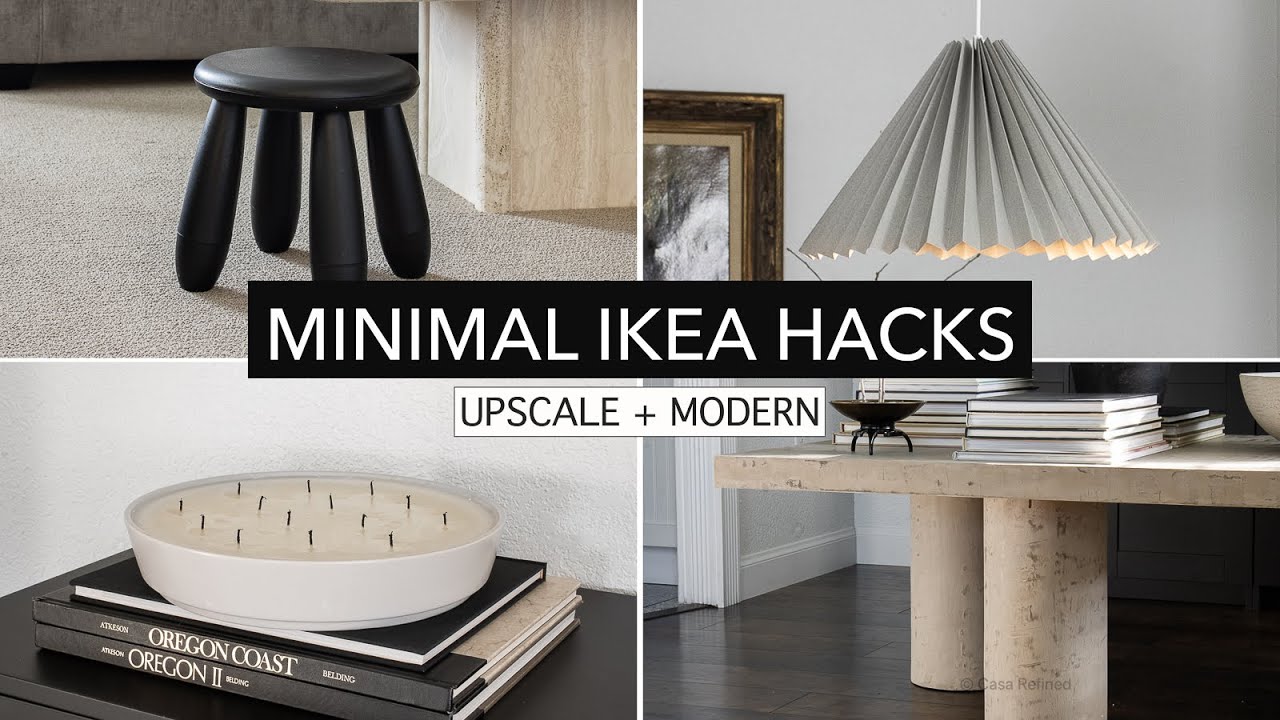
However, achieving this serene sanctuary isn’t without its challenges. The transition to minimalism can feel daunting, requiring a conscious decluttering process and a shift in mindset. It’s not about deprivation, but about intentionality. We must question the value of each object, asking ourselves: Does this serve a purpose? Does it bring me joy? This process, though demanding, can be incredibly liberating, revealing the true treasures in our lives that often get lost amidst the excess.
The future of living, particularly in increasingly dense urban environments, necessitates a re-evaluation of our relationship with material possessions. The principles of a Japanese minimalist apartment offer a compelling model for sustainable and mindful living. This isn’t simply a trend; it’s a potential solution to the overwhelming pressures of modern life. It’s a call to cultivate a deeper connection with ourselves and our environment, to find peace amidst the chaos, and to rediscover the beauty of simplicity.
So, are you ready to embark on this journey towards a more mindful and intentional way of living? Consider the potential of a Japanese minimalist apartment – not just as a design style, but as a philosophy that can transform your relationship with your space and, ultimately, yourself. Start small. Declutter one drawer, one shelf. Embrace the power of "ma," and discover the serene strength that awaits you.