The Concrete Minimalist House: A Sanctuary in a Chaotic World?
Imagine a world overwhelmed by excess, where cluttered spaces mirror cluttered minds. Now, picture a stark contrast: a serene, functional concrete minimalist house, a testament to intentional living. Is this austere aesthetic merely a fleeting trend, or a powerful response to the anxieties of modern life? This exploration delves into the rise of the concrete minimalist house, examining its appeal, its limitations, and its potential as a harbinger of a more mindful future.
The minimalist movement, often associated with Japanese aesthetics and the writings of thinkers like Henry David Thoreau, has always championed simplicity and intentionality. But its current manifestation in the concrete minimalist house represents a unique evolution. This isn’t just about decluttering; it’s about a fundamental reassessment of our relationship with material possessions and the built environment. The raw, unadorned texture of concrete, historically associated with industrial strength and utilitarian design, now embodies a quiet elegance, a stark beauty reflecting a desire for authenticity in a world saturated with artifice. Think of the iconic brutalist architecture of the mid-20th century – a precursor to this trend, albeit often on a grander scale. Today, however, concrete minimalist houses are finding their place in suburban landscapes and urban cores alike, signaling a shift in architectural preferences.
Data from architectural publications and real estate trends shows a significant increase in searches for and construction of minimalist homes featuring concrete. This isn’t simply driven by aesthetics. The inherent durability and thermal mass of concrete offer significant environmental advantages, aligning with growing concerns about sustainability. Studies published in journals like Building and Environment highlight the energy efficiency of concrete structures, reducing carbon footprints and long-term energy costs. However, the production of concrete itself remains a significant environmental concern, raising important questions about the overall ecological impact.
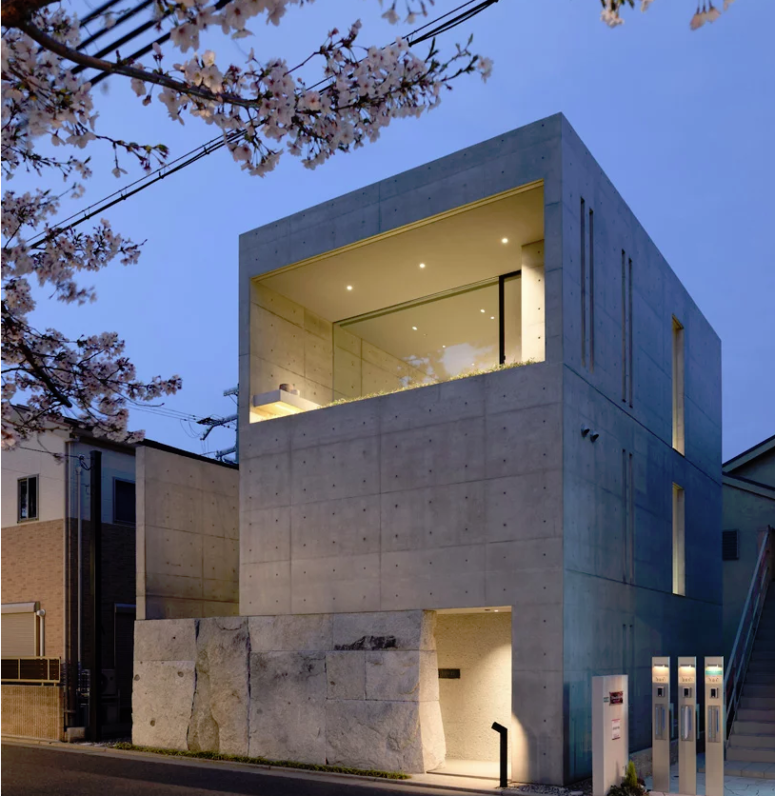
But the appeal of the concrete minimalist house extends beyond the practical. In a world of constant stimulation and information overload, its simplicity offers a refuge. The clean lines, uncluttered spaces, and muted color palettes foster a sense of calm and focus. It’s a conscious rejection of consumerism, a retreat into a space designed for mindful living. This resonates deeply with a generation grappling with anxiety and burnout, seeking solace in intentional design.
Yet, the concrete minimalist house isn’t without its challenges. The starkness can feel cold and impersonal to some. The lack of ornamentation can lead to a sense of emptiness if not carefully considered. Furthermore, the high initial cost of construction and the specialized skills required can make it inaccessible to many. This raises crucial questions about equity and accessibility in sustainable design. Can we truly embrace minimalist living if it remains the privilege of a select few?
The future of the concrete minimalist house hinges on addressing these challenges. We need innovative construction techniques to make concrete more sustainable and affordable. We need architects and designers who can balance minimalist aesthetics with warmth and functionality. We need to explore alternative materials that offer similar benefits without the same environmental drawbacks. The concrete minimalist house, then, isn’t just a design choice; it’s a microcosm of broader societal trends – our relationship with the environment, our pursuit of well-being, and our ongoing struggle to create a more equitable and sustainable future.
So, what will your sanctuary look like? Will you embrace the stark beauty of the concrete minimalist house, or will you seek alternative paths towards intentional living? The question, ultimately, rests with you.