The Allure of the Black Minimalist Home: A Modern Sanctuary or a Statement of the Times?
Imagine a space: stark, elegant, powerful. A haven of calm amidst the chaos, defined not by clutter, but by intention. This is the promise of the black minimalist home, a design trend that’s more than just aesthetics; it’s a reflection of our current cultural anxieties and aspirations. But is this sleek, dark aesthetic a genuine sanctuary, or a fleeting expression of a deeper societal shift?
The rise of the black minimalist home isn’t accidental. It mirrors a growing global trend towards decluttering – both physically and mentally. The relentless pace of modern life, amplified by social media’s constant barrage of information, has left many craving simplicity. Think of the Japanese concept of ma, the deliberate use of empty space to create a sense of calm and serenity. The black minimalist home, with its carefully curated objects and absence of excess, echoes this philosophy, offering a refuge from the overwhelming stimuli of the 21st century. This echoes the minimalist movement of the 1960s, but with a darker, more sophisticated twist. The stark black acts as a canvas, highlighting the few carefully chosen elements within the space, much like a perfectly composed photograph.
However, the appeal of a black minimalist home is more than just a reaction to stress. It also speaks to a growing desire for individuality and self-expression. In a world increasingly homogenized by mass production and global trends, the carefully curated, deeply personal space of a black minimalist home allows for a powerful statement of identity. It’s a rebellion against the overwhelming tide of consumerism, a conscious choice to prioritize quality over quantity. This is further supported by the increasing popularity of sustainable design and ethical sourcing, with many opting for high-quality, long-lasting pieces over disposable trends. Consider the work of designers like Dieter Rams, whose principles of "less but better" resonate deeply with the minimalist ethos.
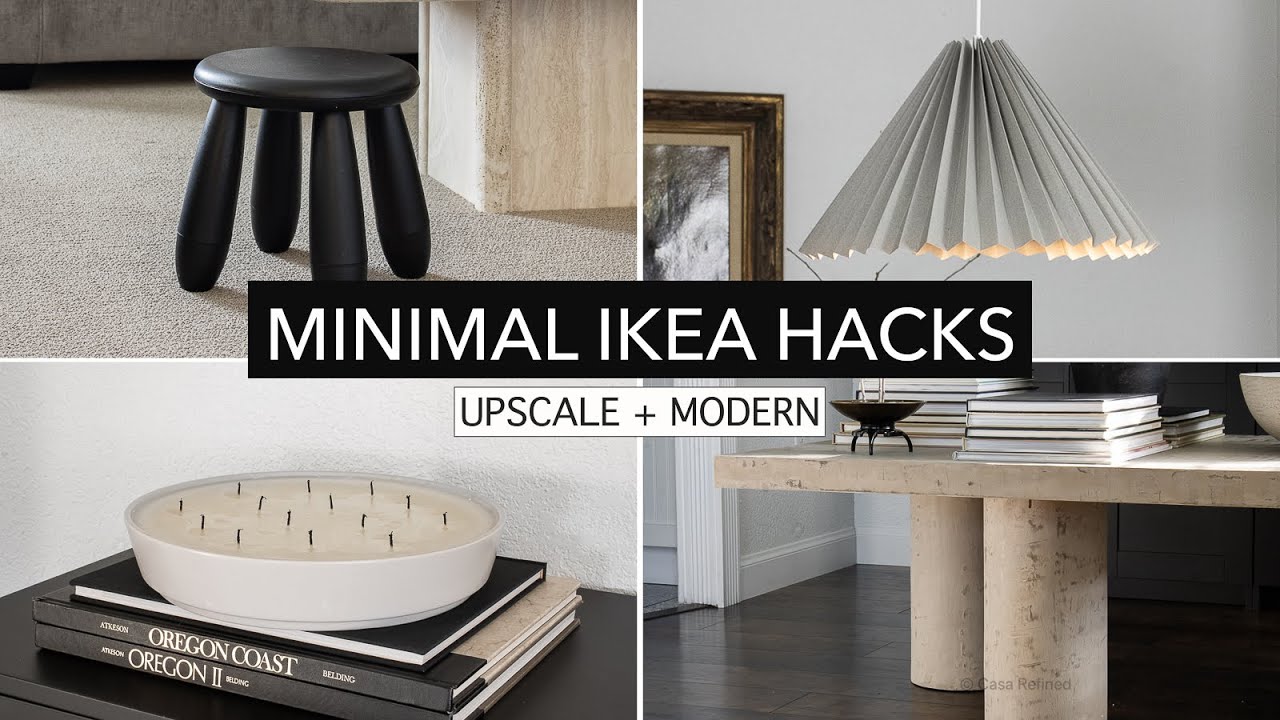
But the dark allure of the black minimalist home also presents challenges. The use of black can be overwhelming if not carefully managed. It requires meticulous attention to lighting, material choices, and spatial planning to avoid creating a claustrophobic or depressing atmosphere. Furthermore, the minimalist aesthetic, while appealing to many, can feel sterile or impersonal to others. It’s a delicate balance between creating a space that is both calming and inviting.
The future of the black minimalist home remains uncertain. Will it remain a niche trend, or will it evolve and adapt to become a more mainstream style? The answer likely lies in our ongoing societal shifts. As the pressures of modern life intensify, the need for spaces that promote mental wellbeing will only grow. However, the challenge lies in making this aesthetic accessible and inclusive, avoiding the pitfalls of elitism often associated with high-end design trends.
Therefore, the question remains: Is the black minimalist home a temporary trend, or a harbinger of a more mindful, intentional approach to living? The answer, perhaps, lies in our own hands. How can we embrace the simplicity and elegance of this design style while ensuring it remains accessible and truly reflects our individual needs and aspirations? Let’s consider the implications and engage in a thoughtful dialogue about the future of home design. What are your thoughts? Share your vision for a minimalist future in the comments below.