The Allure and Anxiety of the Minimalist White House: A Reflection on Modern Living
Imagine a pristine white space, devoid of clutter, a sanctuary of calm amidst the chaos of modern life. This is the idealized image of a minimalist white house, a concept that has captivated designers and homeowners alike. But is this aesthetic simply a fleeting trend, or does it reflect a deeper societal yearning for simplicity in an increasingly complex world? The minimalist white house, in its stark beauty, forces us to confront questions about our relationship with possessions, space, and ultimately, ourselves.
The minimalist white house movement isn’t merely about aesthetics; it’s a reaction. The relentless consumerism of the 20th and 21st centuries, fueled by targeted advertising and readily available credit, has left many feeling overwhelmed by possessions. Our homes, once havens of comfort, have become storage units for things we rarely use. This excess contributes to stress, anxiety, and even environmental damage. The stark simplicity of a minimalist white house, therefore, offers a powerful counter-narrative, a visual representation of intentional living. Think of the stark beauty of a Shaker meeting house – its functionality and simplicity mirroring a similar desire for clarity and purpose.
The popularity of minimalist design, as evidenced by the explosion of minimalist blogs, Instagram accounts dedicated to minimalist white houses (#minimalistwhitehouse), and the rise of minimalist interior design books (like The Life-Changing Magic of Tidying Up by Marie Kondo), speaks volumes. It’s a reflection of a growing dissatisfaction with the status quo. People are actively seeking ways to declutter not just their homes, but their lives. However, the minimalist white house ideal can also be exclusionary. The financial resources required to achieve a truly minimalist aesthetic – often involving high-quality, often expensive, minimalist furniture and carefully curated decor – create a barrier to entry for many. This raises important questions about accessibility and equity within design trends. Is minimalism truly democratic, or is it another form of aspirational consumption?
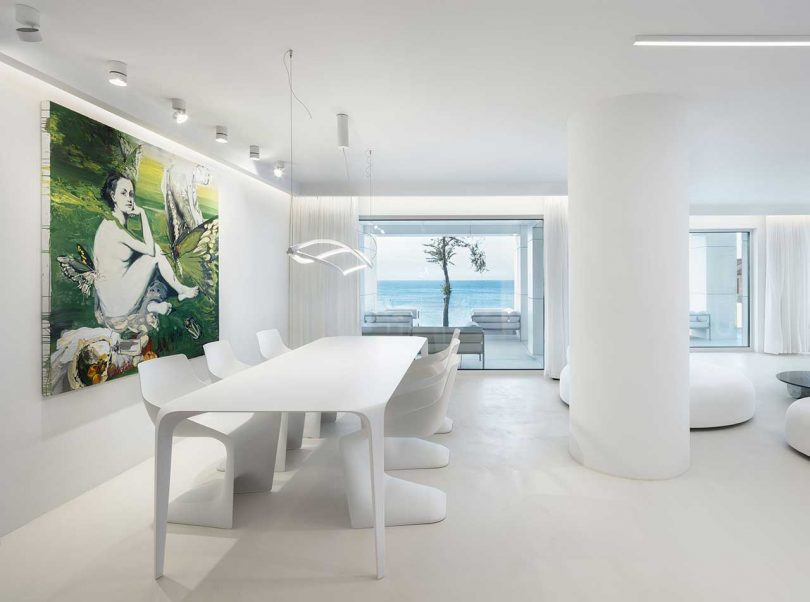
The challenge, then, lies in reimagining the minimalist white house as a philosophy, not just an aesthetic. We can embrace the principles of intentionality and mindful consumption without adhering strictly to a purely white, starkly minimalist palette. This means focusing on quality over quantity, choosing durable, versatile pieces, and prioritizing experiences over material possessions. We can embrace the Japanese concept of wabi-sabi, finding beauty in imperfection and embracing the natural aging process of objects, thereby reducing our reliance on constant replacement.
The future of the minimalist white house, and indeed, minimalist living, depends on our ability to address these challenges. We need to find ways to make minimalist principles accessible to a wider range of people, regardless of their socioeconomic background. This might involve supporting local artisans, choosing sustainable materials, and promoting a culture of sharing and borrowing rather than individual ownership. The minimalist white house, therefore, should not be seen as an end goal, but as a starting point for a more thoughtful and sustainable way of living. What steps will you take to create your own version of mindful living, inspired by the minimalist aesthetic? The future, and the beauty of your home, depends on it.