Industrial Minimalist House Design: A Raw Beauty for the Modern Age?
Imagine a home where raw concrete whispers stories of industrial revolution, yet pristine lines and minimalist aesthetics create a haven of calm. This is the captivating allure of industrial minimalist house design, a style blending seemingly contradictory elements into a surprisingly harmonious whole. But is this aesthetic a fleeting trend, or a reflection of deeper societal shifts? And can it truly offer a sustainable, fulfilling living experience?
The rise of industrial minimalist house design isn’t accidental. It’s a direct response to the overwhelming consumerism of the late 20th century. Think of the stark contrast: the cluttered, overly decorated homes of the past versus the clean, functional spaces championed by architects like Mies van der Rohe. His Bauhaus principles, emphasizing form follows function, laid the groundwork for minimalism. Meanwhile, the post-industrial era left behind a legacy of repurposed factories and warehouses, their raw materials – exposed brick, steel beams, and concrete – now imbued with a nostalgic charm. This marriage of minimalist philosophy and industrial heritage has given birth to a unique architectural style, one that resonates deeply with a generation seeking authenticity and simplicity in a complex world.
But is this aesthetic truly sustainable? The use of reclaimed materials, a hallmark of industrial design, is undeniably eco-conscious. However, the production of new materials like concrete carries a significant carbon footprint. Furthermore, the stark minimalism, while visually appealing, can sometimes feel cold and impersonal. Are we sacrificing warmth and character for a sleek, Instagrammable aesthetic? This is a crucial question we must consider. A study published in the Journal of Environmental Psychology (2020) highlighted the correlation between home environment and mental wellbeing, suggesting that a lack of personalization can negatively impact emotional comfort.
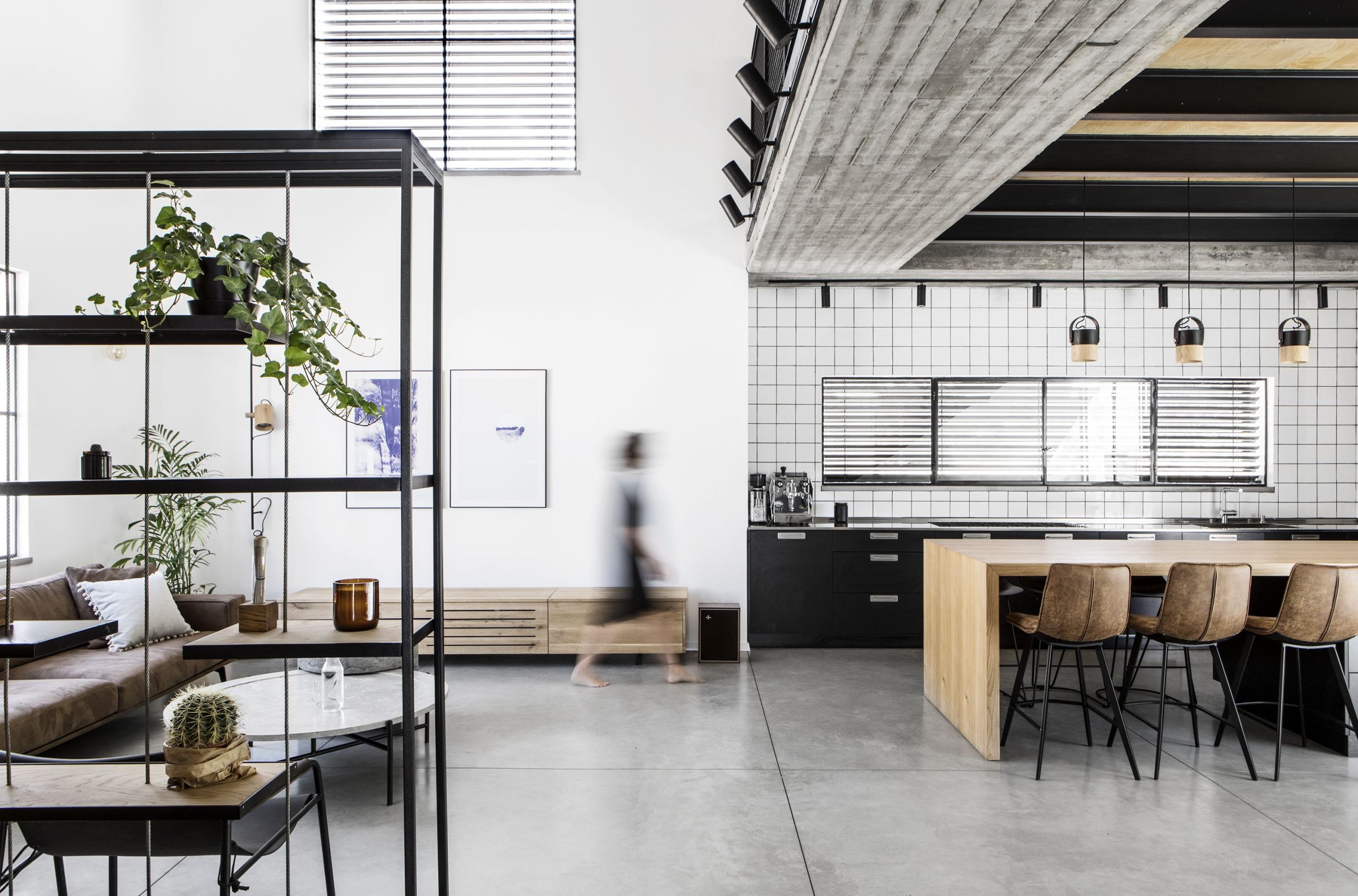
The core problem, then, lies in balancing the aesthetic appeal of industrial minimalist house design with its environmental and emotional implications. How can we create spaces that are both visually stunning and genuinely nurturing?
Alternative solutions exist. We can prioritize sustainable materials like bamboo and reclaimed wood alongside concrete and steel. Biophilic design, incorporating natural elements like plants and natural light, can soften the starkness of industrial minimalism, adding warmth and texture. Moreover, mindful curation of personal belongings can prevent the space from feeling sterile. Think carefully chosen artwork, handcrafted furniture, and textiles that introduce a personal touch without compromising the overall aesthetic.
Future challenges include navigating the increasing cost of sustainable materials and the potential for greenwashing in the construction industry. We need stricter regulations and greater transparency to ensure that the "sustainable" label truly reflects environmentally responsible practices. Furthermore, the design community must prioritize creating spaces that are not only aesthetically pleasing but also emotionally resonant, fostering a sense of belonging and connection.
Ultimately, industrial minimalist house design presents a fascinating paradox. It offers a compelling blend of raw beauty and modern simplicity, yet its success hinges on our ability to navigate its inherent challenges. The question isn’t whether this style will endure, but how we can evolve it to create homes that are both beautiful and sustainable, reflecting our values and fostering a deeper connection with ourselves and the environment. Are we ready to embrace this challenge, to design a future where aesthetics and sustainability walk hand-in-hand?