Escape the Noise: Finding Peace in a Minimalist Monastery House
Imagine a life unburdened by excess, a sanctuary of calm amidst the relentless chaos of modern life. This is the promise of a minimalist monastery house, a concept gaining traction as more people seek refuge from the relentless pressures of consumerism and technological overload. But what does it truly mean to embrace this lifestyle, and what are the implications for our future?
The core problem is clear: our hyper-consumerist society fosters a relentless cycle of acquisition and dissatisfaction. We’re bombarded with advertisements, pressured to keep up with trends, and often find ourselves chasing fleeting moments of happiness through material possessions. This relentless pursuit leaves us feeling empty, stressed, and disconnected from ourselves and the natural world. A minimalist monastery house, inspired by the monastic tradition of simplicity and contemplation, offers a powerful antidote. Think of it as a conscious decluttering not just of your physical space, but of your mind.
Historically, monastic orders have long understood the power of intentional simplicity. From the austere cells of medieval monasteries to the Zen gardens of Japan, the deliberate reduction of possessions has been a cornerstone of spiritual practice. This isn’t about asceticism for its own sake, but about creating space for what truly matters: inner peace, meaningful relationships, and a deeper connection with one’s purpose. Consider the writings of Thomas Merton, a Trappist monk whose reflections on simplicity and solitude resonate deeply with contemporary anxieties. His work, The Seven Storey Mountain, offers a compelling narrative of finding peace through deliberate detachment.
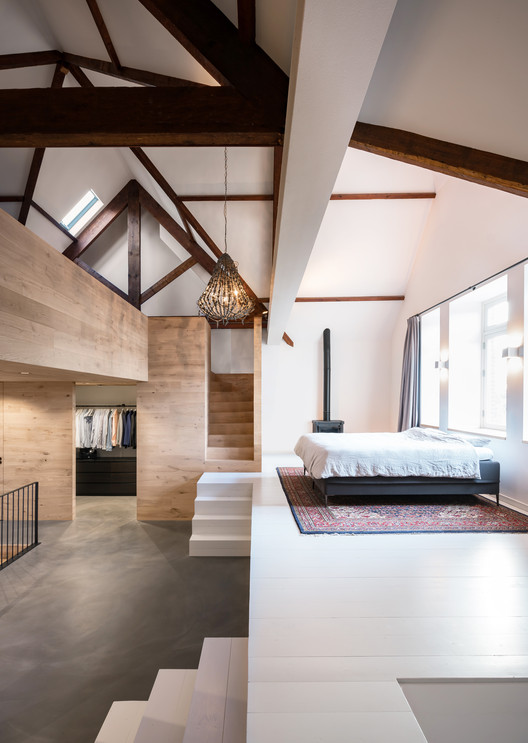
But a minimalist monastery house isn’t just a retreat for the spiritually inclined. The growing interest in this lifestyle reflects broader societal trends. The rise of the "slow living" movement, the increasing awareness of environmental sustainability, and the growing dissatisfaction with the relentless pace of modern life all point to a yearning for a simpler, more intentional way of being. Studies on happiness and well-being consistently show that material possessions offer diminishing returns beyond a certain point. In fact, excessive consumption can lead to increased stress and anxiety, ironically undermining the very happiness it promises.
However, embracing a minimalist monastery house presents its own challenges. The transition requires conscious effort, self-reflection, and a willingness to let go of deeply ingrained habits. It demands a critical examination of our values and priorities. What truly brings us joy? What possessions are truly essential? These are not easy questions to answer, but confronting them is crucial for meaningful change.
Moving forward, the concept of a minimalist monastery house presents both opportunities and challenges. As technology continues to accelerate the pace of life, the need for intentional simplicity will only intensify. The future may see a rise in intentional communities embracing minimalist living, creating spaces for shared resources and mutual support. We might witness a shift in architectural design, with a focus on sustainable and minimalist structures that prioritize well-being over ostentation.
The call to action is clear: begin the process of decluttering your life, both physically and mentally. Start small, perhaps by donating unwanted items or taking a digital detox. Explore the writings of minimalist thinkers and spiritual leaders. Consider how you can integrate principles of simplicity into your daily life. The path to a minimalist monastery house, whether literal or metaphorical, is a journey of self-discovery, a path towards a more peaceful, fulfilling, and meaningful existence. The question isn’t just about the house itself, but about the life you choose to build within it.