Escape the Clutter: Exploring the Zen of the Japanese Minimal House
Imagine a space so serene, so uncluttered, it feels like breathing a sigh of relief. This isn’t a fantasy; it’s the reality of a Japanese minimal house, a testament to a philosophy that prioritizes intentionality over excess. But what does this architectural style truly represent, and can its principles offer a solution to the increasingly cluttered lives we lead in the modern world?
The rise of the Japanese minimal house isn’t a recent trend; it’s deeply rooted in centuries of Japanese aesthetics and philosophy. Think of the stark beauty of a Zen garden, the precise brushstrokes of calligraphy, the deliberate simplicity of a traditional tea ceremony. These are not merely artistic expressions; they reflect a cultural emphasis on mindful living, a conscious rejection of superfluity. Historically, limited space in Japan fostered practicality and efficiency, shaping architectural designs to maximize functionality and minimize visual noise. This ethos is perfectly embodied in the contemporary Japanese minimal house, where every element serves a purpose, contributing to a sense of calm and order.
However, the appeal of the Japanese minimal house extends beyond mere aesthetics. In our increasingly consumerist society, bombarded by constant stimuli and overflowing with possessions, we are facing a crisis of clutter. This isn’t just about physical space; it’s about mental space. The constant visual and mental distraction of excessive belongings contributes to stress, anxiety, and a sense of overwhelm. Is it any wonder that the clean lines and intentional simplicity of a Japanese minimal house feels like a sanctuary?
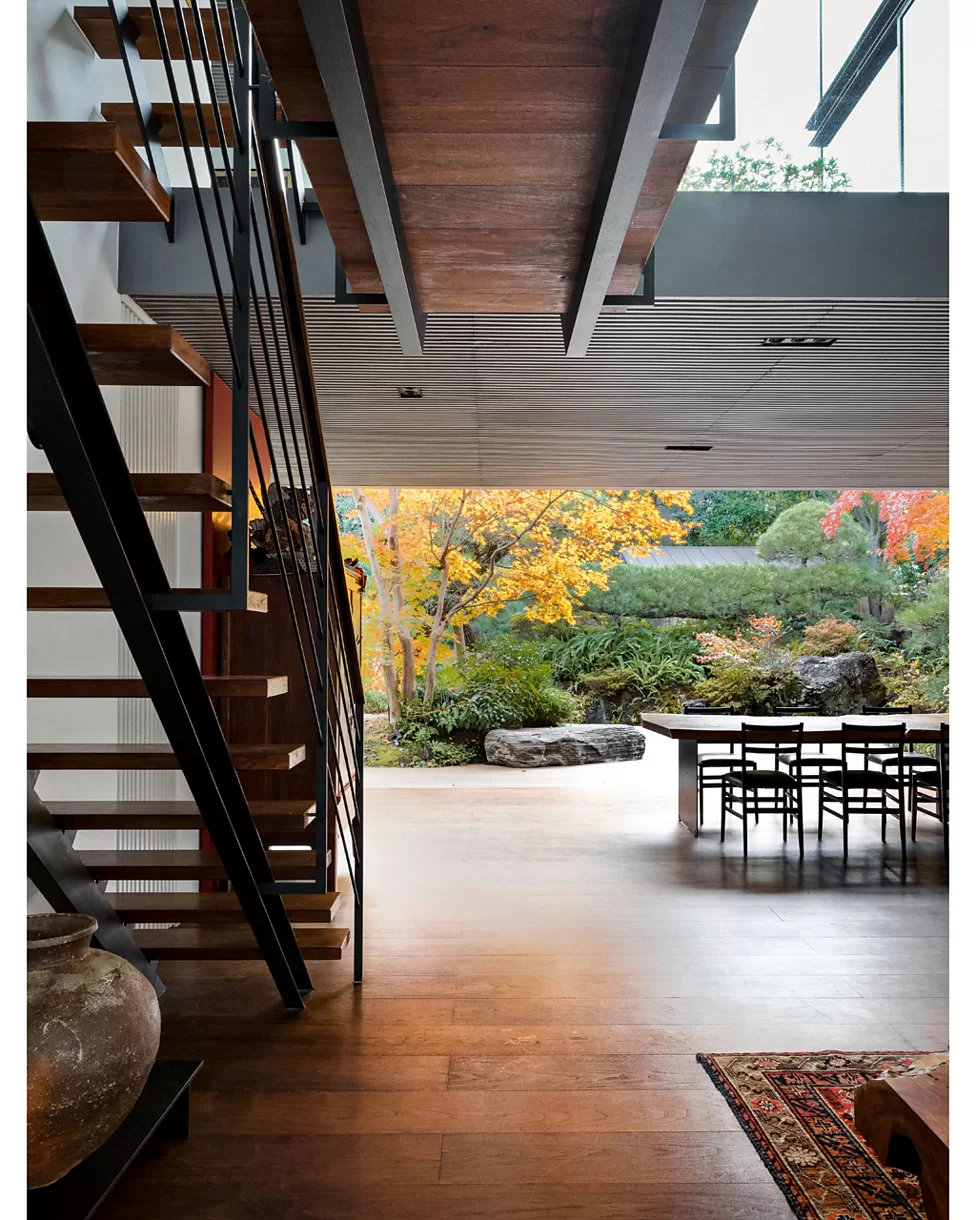
The minimalist approach isn’t about deprivation; it’s about intentionality. It’s about carefully curating your belongings, choosing quality over quantity, and surrounding yourself with objects that bring you joy and serve a purpose. This philosophy aligns with the growing movement towards sustainable living, reducing consumption and minimizing waste. Studies, such as those published in the Journal of Environmental Psychology, have shown a correlation between cluttered environments and increased stress levels. Conversely, minimalist living spaces are often linked to improved focus, creativity, and overall well-being.
But achieving the serene atmosphere of a Japanese minimal house requires more than just decluttering. It necessitates a shift in mindset, a conscious effort to prioritize experiences over possessions. It’s about asking ourselves: Do we truly need this? Does it add value to our lives? This is where the challenge lies. Maintaining a minimalist lifestyle requires ongoing effort and self-discipline, a constant reevaluation of our consumption habits.
The future of design, and perhaps even our well-being, may hinge on embracing the principles of the Japanese minimal house. As urbanization continues and living spaces become increasingly compact, the need for efficient and calming environments will only grow. We must move beyond simply admiring the aesthetic appeal of these homes and actively integrate the philosophy of mindful living into our own spaces and lives.
So, I urge you to consider: What would it mean to embrace the zen of less? What could you let go of to create a more peaceful and intentional life? The journey towards a minimalist lifestyle, inspired by the beauty and functionality of the Japanese minimal house, is a journey towards a more mindful and fulfilling existence.