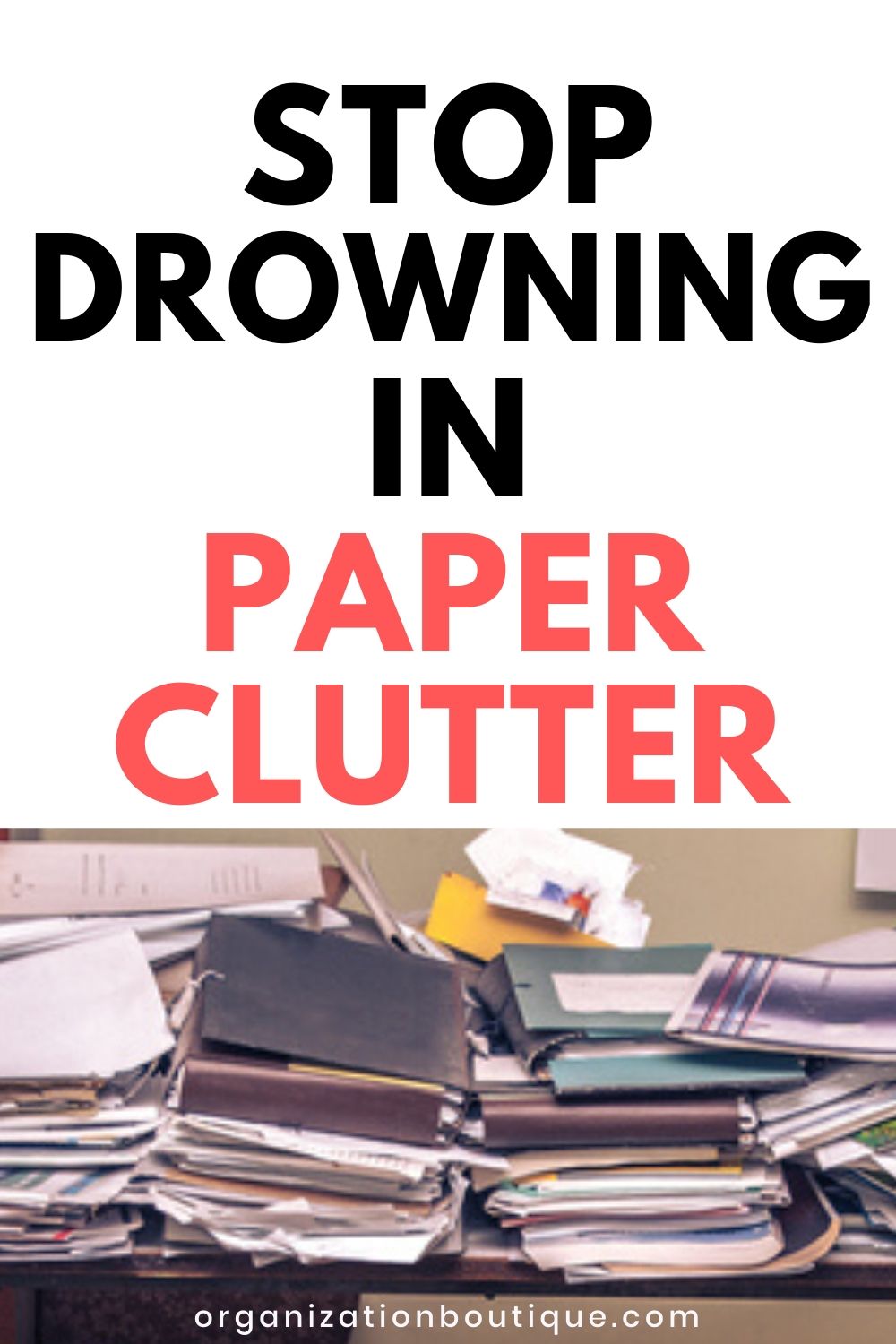
Drowning in Paper? Declutter Paperwork Tips to Reclaim Your Life
Are you buried under a mountain of paperwork? Do overflowing filing cabinets and stacks of loose papers haunt your dreams? You’re not alone. This pervasive problem, far from being a simple organizational challenge, reflects a deeper societal struggle with information overload and the relentless pace of modern life. This article provides declutter paperwork tips to help you conquer the chaos and regain control.
The sheer volume of paperwork generated daily is staggering. From bills and bank statements to tax documents and medical records, the paper trail of our lives seems endless. Think about it: Before the digital age, a simple grocery list was a physical testament to our needs. Now, we generate digital equivalents, and often print them out. This digital-analog hybrid creates a uniquely modern problem demanding innovative declutter paperwork tips. Historians might even one day point to this era as the "Paper Avalanche" – a period defined by our struggle to manage the physical manifestation of our increasingly complex lives.
This isn’t just about tidiness; it’s about reclaiming mental space. Imagine your mind as a meticulously organized garden, bursting with creativity and energy. But what happens when weeds – in this case, unprocessed paperwork – begin to choke the life out of it? The result is stress, anxiety, and a feeling of being overwhelmed. We become paralyzed, unable to focus on what truly matters.

So, what are the effective declutter paperwork tips? The solution isn’t simply throwing everything away. A strategic approach is needed, one that balances efficiency with the preservation of essential documents.
1. The Digital Detox: Before tackling the physical clutter, consider digitizing. Scan important documents, using cloud storage for easy access and backup. This reduces the physical bulk significantly. Many services, like Adobe Scan, make this process surprisingly simple.
2. The ruthless purge: Once you’ve digitized what’s essential, it’s time for a ruthless purge. Ask yourself: Do I really need this? Most paperwork can be discarded after a certain period. Consult IRS guidelines for tax records, and remember that many banks and utility companies offer online access to statements.
3. The strategic filing system: For the remaining documents, create a simple, efficient filing system. A color-coded system, or a system based on categories (e.g., finances, health, home), can work wonders. Avoid overly complex systems that will eventually become overwhelming.
4. The "one-touch" rule: This is crucial. When you receive a piece of paper, deal with it immediately. File it, shred it, or act upon it. Don’t let it sit on a counter or desk, adding to the growing pile.
5. The regular review: Schedule regular reviews (monthly or quarterly) to ensure your system remains functional. This prevents the build-up of new clutter.
The future of paperwork management is undoubtedly digital. But even in a largely paperless world, decluttering strategies remain vital. The challenge isn’t just managing paper; it’s managing information overload in all its forms. As technology continues to evolve, we must adapt our strategies to remain in control of our lives, preventing the "Paper Avalanche" from burying us under its weight.
So, what will you do today to reclaim your mental space and conquer your paperwork? Start small, choose one area, and apply these declutter paperwork tips. The feeling of accomplishment will be immensely rewarding. Don’t let paperwork dictate your life; take control and start decluttering today!