Craving Space, Yearning for Simplicity: Exploring the Allure of the L-Shaped Minimalist House
Imagine a home, sculpted to fit your life, not the other way around. A sanctuary of calm amidst the chaos, a testament to less-is-more living. This is the promise of the L-shaped minimalist house, a design trend reflecting a growing global desire for streamlined living and efficient space utilization. But is this architectural style merely a fleeting fad, or does it represent a deeper shift in how we envision our homes and, by extension, our lives?
The rise of the L-shaped minimalist house isn’t accidental. It mirrors a broader societal shift away from sprawling McMansions towards compact, functional living spaces. The historical context is crucial: post-war suburban sprawl prioritized size over efficiency, creating energy-guzzling behemoths that often felt impersonal. Now, concerns about environmental sustainability, coupled with rising housing costs and a growing awareness of the psychological benefits of minimalism, are driving a demand for smaller, thoughtfully designed homes. Data from organizations like the National Association of Home Builders shows a clear trend towards smaller average home sizes in many developed nations, a testament to this shift.
This architectural form, the "L," isn’t arbitrary. It’s a genius of space optimization. Think of it as a carefully folded origami crane—each fold maximizing utility. The L-shape naturally creates defined zones: a private wing for bedrooms, a public area for socializing, all within a compact footprint. This contrasts sharply with the often-disjointed floor plans of traditional homes, where rooms feel isolated and space feels wasted. Consider the iconic Case Study Houses of the mid-20th century, which, while not all L-shaped, exemplified the principles of efficient space planning that inform today’s minimalist designs. These houses, documented in numerous architectural journals and books (like Esther McCoy’s "Case Study Houses 1945-1962"), championed openness and functionality, paving the way for modern minimalist designs.
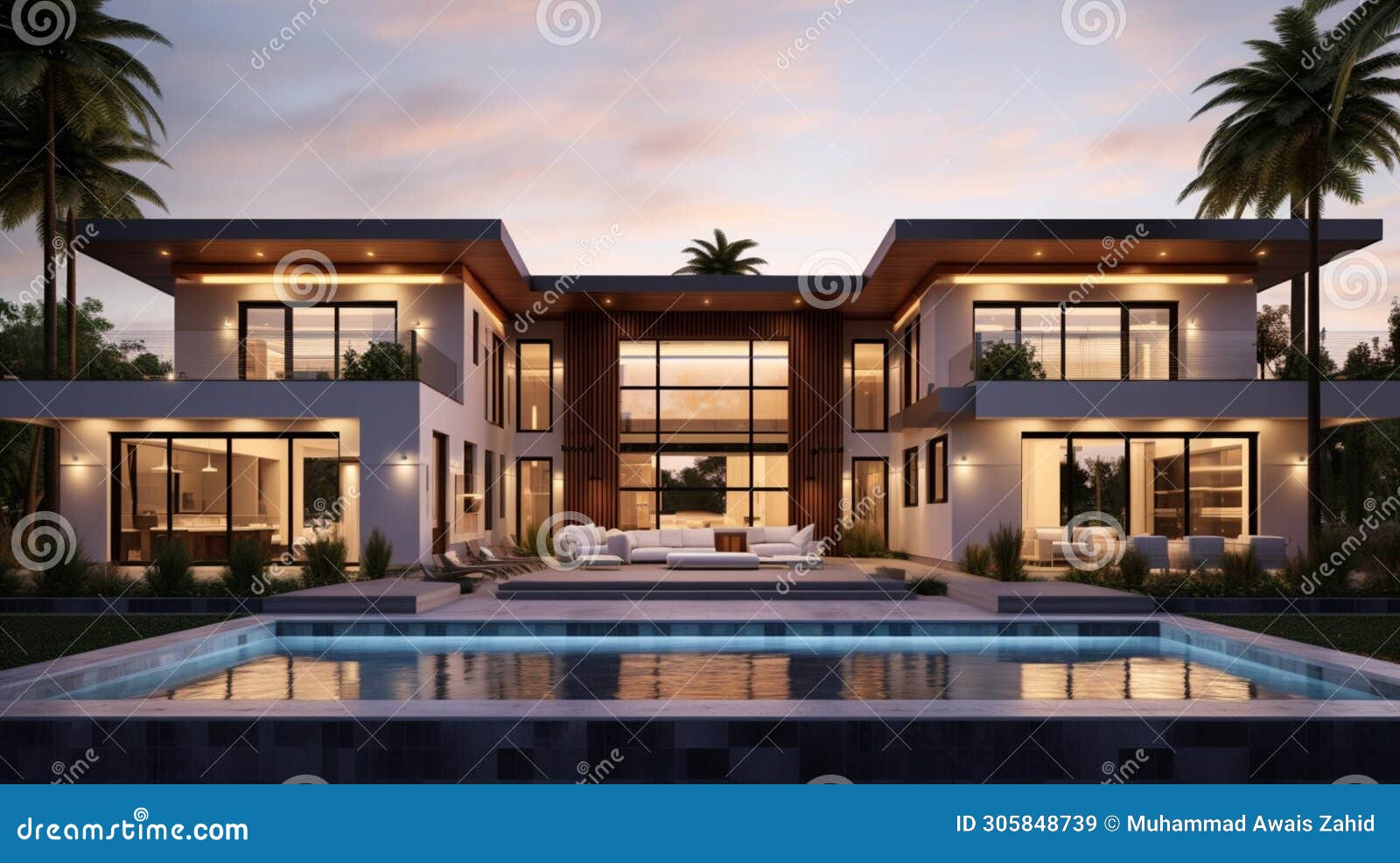
But the appeal of the L-shaped minimalist house goes beyond mere functionality. It’s about creating a space that fosters mental well-being. The clean lines, the absence of clutter, the abundance of natural light—these elements contribute to a sense of calm and serenity, a stark contrast to the visual and mental overload of cluttered homes. This aligns with the growing body of research on the positive psychological effects of minimalism, highlighting its connection to reduced stress and increased focus (as explored in books like "The Life-Changing Magic of Tidying Up" by Marie Kondo).
However, the transition to minimalist living isn’t without its challenges. The core problem lies in the potential for sacrificing comfort and storage for aesthetics. Careful planning is crucial; an L-shaped minimalist house, while efficient, requires thoughtful consideration of storage solutions and the integration of multi-functional furniture. This is where innovative design comes in: built-in shelving, clever storage solutions, and the strategic use of technology can mitigate these challenges.
Alternative solutions involve exploring modular designs and prefabricated construction, which can offer cost-effective and sustainable options for creating L-shaped minimalist houses. Furthermore, incorporating sustainable building materials and energy-efficient technologies can further reduce the environmental impact of this architectural trend.
The future of the L-shaped minimalist house is bright, but it faces challenges. The increasing urbanization and the demand for affordable housing necessitate innovative solutions for scaling this design approach to meet the needs of a growing population. The integration of smart home technology and the continued exploration of sustainable building materials will be crucial in shaping the next generation of minimalist homes. Will we embrace this efficient, mindful approach to living, or will we succumb to the allure of outdated models? The choice, ultimately, is ours. What kind of home, and what kind of life, do you envision for the future?