The Serene Strength of a Korean Minimalist House: Finding Peace in a Cluttered World
Imagine a sanctuary, a space where calm reigns supreme. A place free from the relentless barrage of possessions, a haven reflecting the quiet strength of Korean aesthetics. This is the promise of a Korean minimalist house, a concept gaining global traction, but what does it truly represent, and what can it teach us about navigating our increasingly complex world?
The rise of minimalism isn’t just a fleeting design trend; it’s a response to the overwhelming consumerism of modern life. We live in a world saturated with information and possessions, leaving many feeling anxious and disconnected. The Korean minimalist house, with its emphasis on clean lines, natural materials, and a deliberate absence of clutter, offers a powerful antidote. Think of it as a mindful retreat, a space designed to nurture the soul rather than overwhelm it. This echoes the historical Korean emphasis on harmony with nature, evident in traditional architecture like the hanok, with its understated elegance and connection to the natural environment. While the hanok represents a more traditional form, the modern Korean minimalist house adapts these principles for contemporary living.
But the shift towards minimalism isn’t without its challenges. The idealized image often presented online can feel unattainable, leading to feelings of inadequacy rather than liberation. Are we simply trading one form of pressure for another – the pressure to perfectly curate a minimalist aesthetic? This is where critical reflection is crucial. A truly meaningful Korean minimalist house isn’t about achieving a flawless Instagrammable space; it’s about cultivating a mindful approach to living. It’s about consciously choosing what we bring into our lives, both physically and mentally.
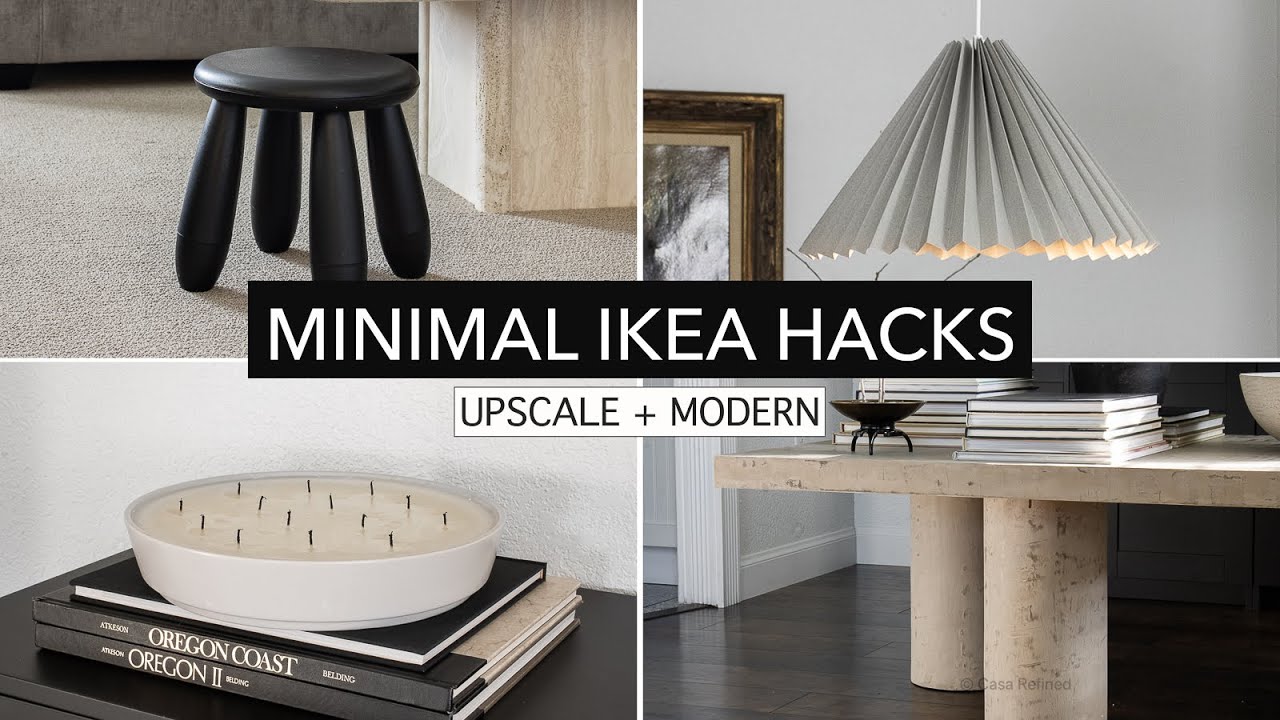
Several studies (e.g., research published in the Journal of Environmental Psychology on the impact of clutter on mental well-being) have linked clutter to increased stress and anxiety. A Korean minimalist house, by its very nature, actively combats this. By prioritizing functionality and intentionality, it creates a space that promotes focus and reduces mental noise. However, we must be wary of a simplistic interpretation. Minimalism shouldn’t equate to austerity; it’s about curating a space that reflects our values and supports our well-being. This might involve embracing sustainable materials, supporting local artisans, or incorporating elements that hold personal significance, even within a minimalist framework.
Looking to the future, the appeal of the Korean minimalist house will likely grow as more people seek refuge from the frenetic pace of modern life. However, we need to ensure that this trend remains accessible and doesn’t become another marker of social status. The challenge lies in democratizing minimalism, making it a philosophy that transcends economic boundaries and becomes a pathway to greater well-being for all. This requires a conscious effort to promote sustainable and affordable options, highlighting the inherent value of simplicity over excessive consumption.
So, what will your sanctuary look like? Will you embrace the serene strength of a Korean minimalist house? The question isn’t about replicating a specific aesthetic but about cultivating a mindful approach to living, creating a space that truly nurtures your soul. The journey towards a more intentional and peaceful life begins with a single, conscious choice. Start decluttering your mind, and watch as your physical space follows suit.