Escape the Chaos: Discovering the Beauty of Japanese Simple Living
Are you drowning in a sea of possessions, commitments, and anxieties? Feeling overwhelmed by the relentless pace of modern life? The pursuit of happiness in a consumer-driven world often leaves us feeling emptier than ever. But what if there was a different path? What if finding true contentment lay not in accumulating more, but in embracing less? This exploration into Japanese simple living offers a compelling alternative, a path towards a more meaningful and fulfilling life.
The concept of "simple living" isn’t new. Throughout history, various cultures have valued minimalism and intentionality. However, Japanese simple living, rooted in philosophies like wabi-sabi (finding beauty in imperfection) and shibui (subtle beauty), offers a particularly refined and insightful approach. Consider the historical context: post-war Japan, facing scarcity, fostered a culture of resourcefulness and appreciation for the essential. This wasn’t mere deprivation; it was a conscious choice, a rejection of excess in favor of quality and intentionality. This ethos is reflected in traditional Japanese homes, often small yet meticulously designed to maximize functionality and beauty. Think of the intricate craftsmanship of a chawan (tea bowl), a testament to the beauty found in simplicity and functionality.
But how does this ancient wisdom translate to our modern, hyper-connected world? The core problem lies in our insatiable consumerism. We’re constantly bombarded with messages urging us to buy more, do more, be more. This relentless pressure fuels anxiety and dissatisfaction, leaving us chasing an elusive ideal of happiness that always remains just out of reach. Data from the OECD consistently shows a correlation between material wealth and dissatisfaction in many developed nations, suggesting that the pursuit of more doesn’t necessarily equate to more happiness.
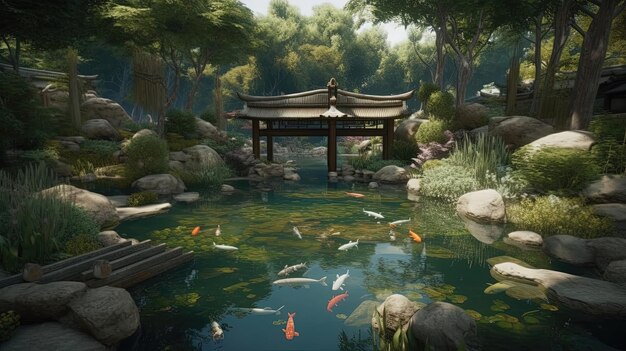
So, what are the alternative solutions offered by Japanese simple living? It’s not about asceticism or deprivation, but about mindful consumption and intentional living. It’s about decluttering our physical spaces and our mental landscapes, freeing ourselves from the weight of unnecessary possessions and commitments. This involves cultivating practices like shōjiki (honesty) in our choices and kanso (simplicity) in our aesthetics. Consider Marie Kondo’s method, inspired by Japanese principles, which encourages us to keep only those items that "spark joy." This is about cultivating a deeper connection with our belongings and appreciating their true value.
However, embracing Japanese simple living in the 21st century presents unique challenges. The constant influx of information, the pressure to stay connected, and the pervasive influence of consumer culture create obstacles. We must actively cultivate mindfulness, setting boundaries to protect our time and energy from the relentless demands of the modern world. This requires conscious effort and a willingness to question societal norms and expectations.
The future of Japanese simple living lies in its adaptability. It’s not about rigidly adhering to ancient traditions, but about extracting the core principles and applying them to our contemporary lives. This means finding a balance between embracing technology and maintaining mindful practices. It means fostering communities that support intentional living and challenging the relentless pursuit of material wealth. Are you ready to embark on this journey? Start small. Declutter a drawer, meditate for five minutes, or simply take a moment to appreciate the beauty in the everyday. The path towards a simpler, more fulfilling life begins with a single step.