
Finding Serenity in Squares: Exploring the Japanese Minimalist Home
Imagine a space so calm, so uncluttered, it feels like breathing a sigh of relief. This isn’t just a dream; it’s the reality of a Japanese minimalist home, a testament to centuries of refined aesthetics and a conscious rejection of excess. But what does it truly mean to embrace this philosophy, and how can it help us navigate the increasingly cluttered chaos of modern life?
The allure of the Japanese minimalist home isn’t simply about aesthetics; it’s a deeply rooted cultural response to limited space and a profound appreciation for nature. Consider the historical context: traditional Japanese architecture, with its shoji screens and tatami mats, prioritized functionality and harmony with the surrounding environment. The philosophy of wabi-sabi, embracing imperfection and impermanence, further shaped this aesthetic, valuing the beauty found in simplicity and natural aging. This isn’t about sterile minimalism; it’s about mindful curation, selecting only what truly serves a purpose and brings joy.
Think of the stark contrast between a typical Western home, often overflowing with possessions, and a Japanese minimalist home. The former can feel suffocating, a visual cacophony of objects vying for attention. The latter, however, offers a sense of spaciousness, even in smaller areas. It’s like comparing a dense forest to a carefully pruned bonsai tree – both are beautiful, but one offers a sense of calm clarity the other lacks. This difference isn’t accidental; it reflects differing cultural values and priorities.
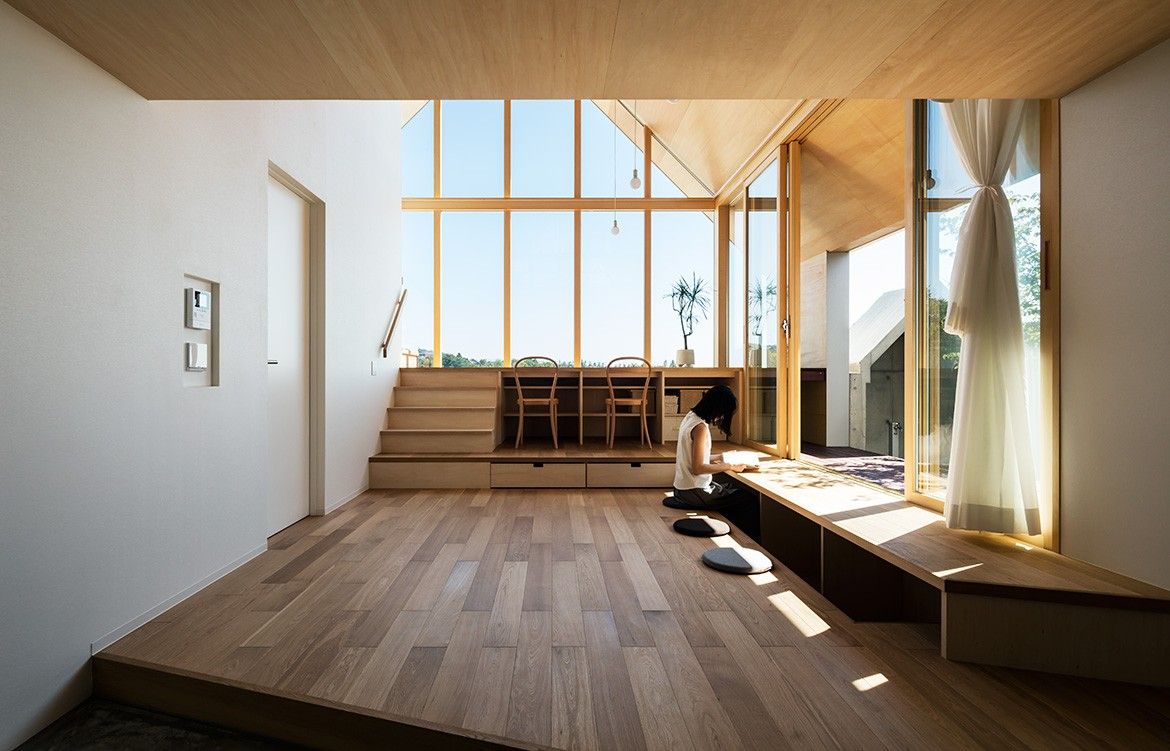
The rise of consumerism in the West has created a culture of excess, leading to a pervasive sense of overwhelm and anxiety. Studies by the National Association of Professional Organizers (NAPO) consistently show a link between cluttered homes and increased stress levels. In contrast, the principles of a Japanese minimalist home offer a potential antidote. By decluttering our physical spaces, we also declutter our minds, creating room for focus, creativity, and inner peace.
But achieving a Japanese minimalist home isn’t simply about throwing everything away. It requires careful consideration and a conscious shift in perspective. It’s about questioning the value of each object, asking ourselves: Does this truly serve a purpose? Does it bring me joy? If the answer is no, it’s time to let it go. This process, while initially challenging, can be incredibly liberating.
The path forward involves embracing the principles of ma, the Japanese concept of negative space, and shibui, the subtle beauty of understated elegance. We can learn from Japanese design principles, incorporating natural materials, clean lines, and functional furniture. Books like "The Life-Changing Magic of Tidying Up" by Marie Kondo offer practical strategies for decluttering, but the true essence lies in adopting the mindful approach inherent in the Japanese minimalist home philosophy.
However, the future presents challenges. Our increasingly digital world, with its constant influx of information and virtual possessions, adds another layer of complexity. Maintaining a minimalist mindset in this environment requires even greater discipline and intentionality. We must consciously curate our digital lives, just as we do our physical spaces, to avoid being overwhelmed by the constant stream of data.
The Japanese minimalist home is more than just a design trend; it’s a philosophy, a pathway to a more mindful and intentional way of living. It’s a challenge, yes, but one that offers profound rewards: a calmer mind, a more spacious life, and a deeper connection to ourselves and the world around us. Are you ready to embrace the serenity of less?