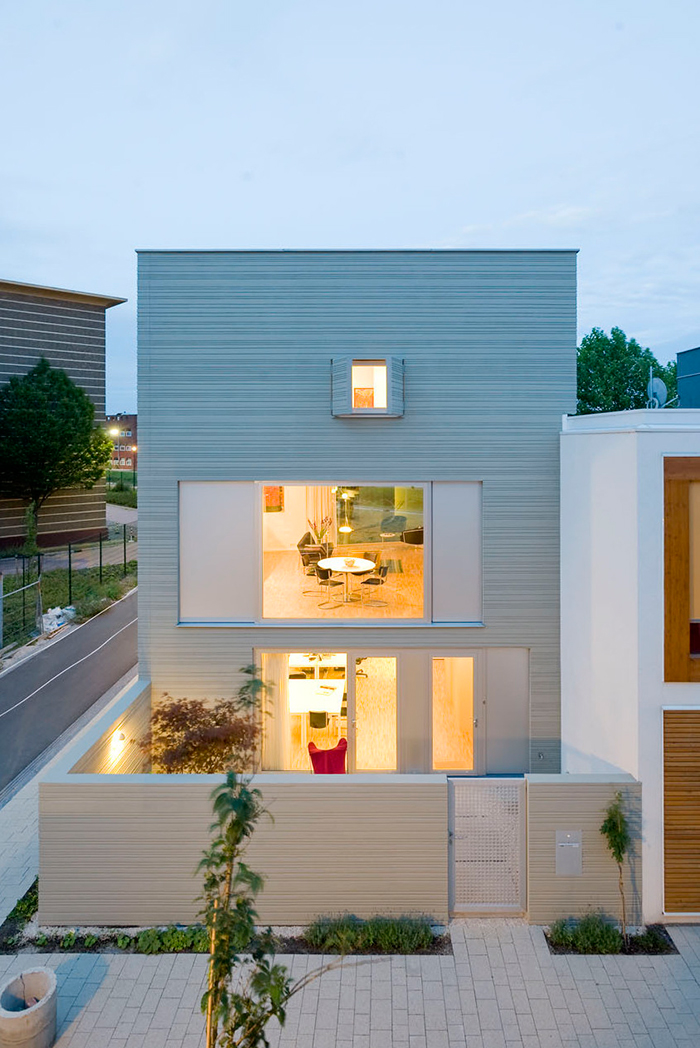
The Allure of Less: Exploring the Beauty of Minimalist Homes
Are you tired of clutter overwhelming your life, a constant visual noise distracting from true peace? Imagine a sanctuary, a space breathing with intention, where every object speaks a silent story of purpose and beauty. This is the promise of beautiful minimalist homes, a design philosophy that’s more than just a trend; it’s a reflection of a deeper yearning for simplicity and intentionality in a world increasingly saturated with excess.
The rise of minimalist living, particularly in the design of beautiful minimalist homes, isn’t a spontaneous phenomenon. It’s a response to the frenetic pace of modern life, a reaction against consumerism’s relentless push for more. Think of the stark beauty of Japanese Zen gardens, meticulously raked gravel representing the universe’s vastness contained within a carefully curated space. This echoes the core principle of minimalism: less is more. Historically, minimalist aesthetics have drawn inspiration from various sources, from the Bauhaus movement’s functionalism to the stark elegance of Scandinavian design. These movements, though distinct, share a common thread: a focus on functionality, clean lines, and a deliberate rejection of ornamentation for its own sake.
But what constitutes a truly beautiful minimalist home? It’s not about stark emptiness, but about intentional curation. It’s about choosing quality over quantity, selecting pieces that resonate deeply, reflecting personality and purpose. Consider the impact of a single, exquisitely crafted wooden chair against a backdrop of neutral walls, its presence amplified by the very absence of surrounding clutter. This is the power of negative space, a concept central to minimalist design. Studies, like those published in the Journal of Environmental Psychology, have shown a correlation between clutter and increased stress levels. A minimalist home, by contrast, can foster a sense of calm and focus, a haven from the external chaos.
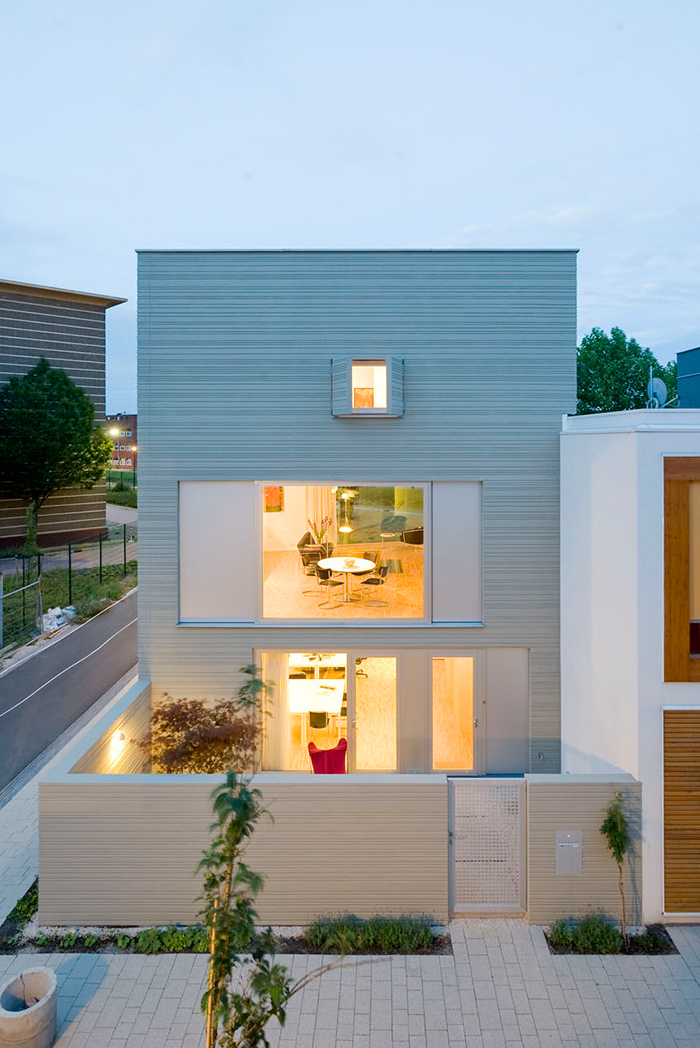
However, the transition to minimalist living isn’t without its challenges. The initial decluttering process can be emotionally taxing, forcing us to confront our attachment to material possessions. Furthermore, the pursuit of minimalism can sometimes be misinterpreted as an austere, cold aesthetic, lacking warmth and personality. This misconception highlights a crucial point: beautiful minimalist homes are not devoid of character; they simply express it in a more refined, intentional way.
So, how do we navigate this path towards creating beautiful minimalist homes that are both aesthetically pleasing and emotionally fulfilling? We must embrace mindful consumption, carefully considering each purchase and its impact on our lives. We should prioritize quality craftsmanship and durable materials, investing in pieces that will last, rather than succumbing to fleeting trends. Furthermore, we need to cultivate a deeper appreciation for the beauty of simplicity, finding joy in the absence of excess. Think of the quiet elegance of a single, perfectly placed vase of flowers, its beauty amplified by the surrounding stillness.
The future of design, in many ways, hinges on our ability to embrace sustainable and mindful practices. Beautiful minimalist homes represent a significant step in this direction, offering a model for a more sustainable and intentional way of living. The challenge lies not in achieving perfect minimalism, but in cultivating a conscious relationship with our possessions, creating spaces that nourish our souls and reflect our true selves. Are you ready to embark on this journey towards a simpler, more beautiful life? Start small. Declutter one drawer. Consider the impact of one less object. The path to a beautiful minimalist home begins with a single, intentional step.