The Serenity of Simplicity: Exploring the Modern Minimalist Japanese House
Imagine a space where tranquility reigns supreme, where clutter is banished, and natural light dances across clean lines. This is the essence of a modern minimalist Japanese house, a testament to a design philosophy that transcends mere aesthetics, reflecting a deeply rooted cultural ethos and offering a potent antidote to the frenetic pace of modern life. But is this aesthetic merely a trend, or does it hold a deeper significance in our increasingly complex world?
The Japanese architectural tradition, steeped in centuries of Zen Buddhism and Shinto beliefs, has always prioritized harmony with nature and a sense of peaceful contemplation. Traditional Japanese homes, with their shoji screens, tatami mats, and emphasis on natural materials, already embodied a minimalist spirit. However, the modern minimalist Japanese house takes this ethos and refines it for the 21st century. Think of the stark beauty of a Tadao Ando building – concrete, light, and space meticulously orchestrated to create a profound sense of calm. This isn’t just about removing furniture; it’s about removing distractions, creating a space for mindful living.
The core problem we face is a pervasive sense of overwhelm. Our homes, often overflowing with possessions, mirror the chaos of our lives. The constant bombardment of information, the pressure to achieve more, leaves us feeling stressed and disconnected. A modern minimalist Japanese house, with its emphasis on simplicity and functionality, offers a powerful counterpoint. It’s a conscious rejection of consumerism, a return to essentialism. This isn’t about deprivation; it’s about intentionality. Each object holds a purpose, each space serves a function, contributing to a feeling of clarity and control.
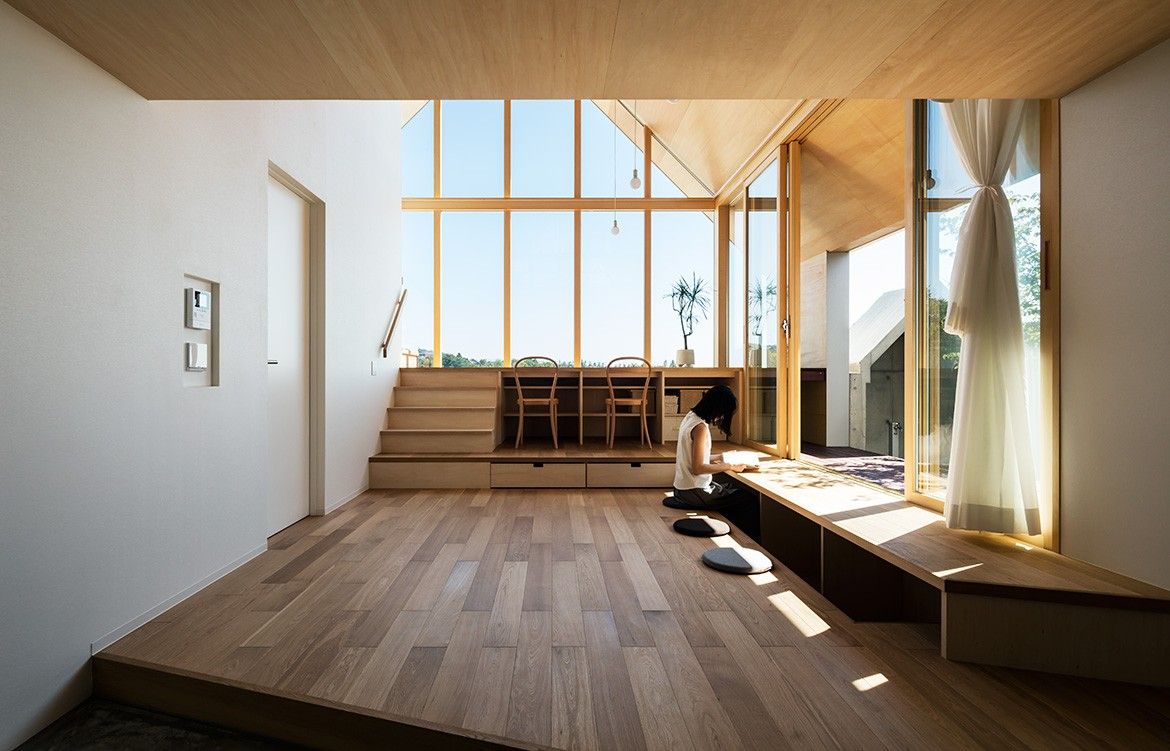
But how can we translate this philosophy beyond the realm of high-end architecture? The beauty of minimalist design lies in its adaptability. We can incorporate its principles into our existing homes, regardless of size or budget. Think about decluttering, embracing natural light, using neutral color palettes, and incorporating natural materials like wood and bamboo. Even small changes can have a profound impact on our sense of well-being. Numerous studies, like those published in the Journal of Environmental Psychology, have shown a correlation between minimalist living spaces and reduced stress levels.
However, the future presents its own challenges. The increasing urbanization and density of populations challenge the ideal of spacious, light-filled homes. How can we adapt the principles of a modern minimalist Japanese house to smaller, more constrained living spaces? This requires innovative design solutions and a renewed focus on multi-functional furniture and clever storage solutions. Furthermore, the sustainability aspect becomes crucial. The use of eco-friendly materials and energy-efficient designs are essential to ensure that this aesthetic doesn’t come at the cost of environmental responsibility.
The modern minimalist Japanese house is more than just a design trend; it’s a reflection of our yearning for peace and simplicity in a complex world. It’s a call to reconsider our relationship with material possessions and to prioritize mindful living. Are you ready to embrace the serenity of simplicity? Start small. Declutter a single drawer. Embrace natural light. And experience the transformative power of less. The journey towards a more peaceful, intentional life begins within the walls of your own home.