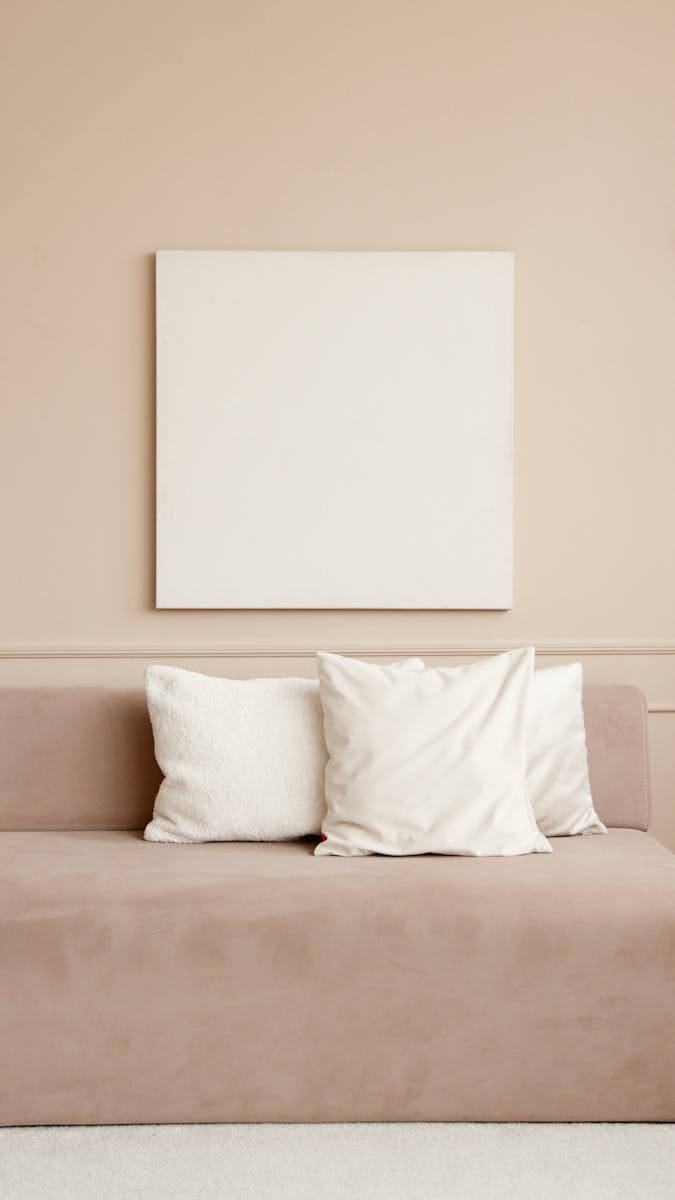
In today’s fast-paced world, the pursuit of simplicity has become a powerful force in home design. Minimalism, a design philosophy that champions the idea of “less is more,” has risen to prominence as individuals seek clarity, calm, and purpose within their living spaces. Gone are the days when excess and clutter dominated the interior design scene. Now, many homeowners are focusing on creating homes that embody intentionality, simplicity, and beauty. In this article, we explore how minimalism elevates your living space, enhancing not only its aesthetics but also your overall well-being.
What is Minimalism in Interior Design?
Minimalism in interior design is about stripping down a space to its essential elements, focusing on function while maintaining a sense of beauty and calm. This design philosophy encourages removing unnecessary objects and distractions, leaving behind only what truly serves a purpose or brings joy.
The roots of minimalism trace back to the early 20th century and are influenced by movements like Bauhaus and Japanese aesthetics, which emphasized simplicity, functionality, and clean lines. In today’s context, minimalism is much more than just a visual style; it is a lifestyle that invites clarity and order into a space, promoting a peaceful and stress-free environment.
The Core Principles of Minimalism
Before diving into the ways in which minimalism can elevate your space, it’s important to understand its core principles. These principles guide the minimalist approach to home design:
1. Simplicity and Clean Lines
Minimalism thrives on simplicity. This means using clean lines, geometric shapes, and restrained color palettes. Furniture, architectural elements, and decorative accents are chosen for their sleek, streamlined appearance. The absence of excessive detailing allows for a sense of calm and spaciousness.
2. Decluttered Spaces
Clutter is the enemy of minimalism. In a minimalist home, every object should serve a purpose or contribute to the overall aesthetic of the space. Decorative objects and knick-knacks are minimized, and storage solutions are carefully planned to ensure everything has its place.
3. Neutral Color Palette
Minimalism often embraces a neutral color scheme, with whites, blacks, grays, and beige tones forming the foundation of the space. These colors are timeless and versatile, allowing other elements, such as textures, materials, and subtle color accents, to shine.
4. Function Over Form
While minimalism does not shy away from beauty, functionality is the top priority. Furniture and décor pieces are selected based on how well they serve a purpose. Multi-functional furniture, for instance, is common in minimalist homes, as it helps save space while adding value to the design.
5. Quality Over Quantity
In a minimalist home, the focus is on quality rather than quantity. Fewer, higher-quality pieces are chosen, which not only elevates the aesthetic but also improves the durability and functionality of the space. The idea is to invest in timeless, well-crafted items that will last.
6. Negative Space
Negative space, or the empty areas in a room, is just as important as the objects that occupy it. Minimalism embraces this emptiness as it contributes to the overall sense of calm and openness in the space. The fewer items there are in a room, the more it can breathe and feel serene.
How Minimalism Elevates Your Space
Now that we’ve established the core principles of minimalism, let’s dive deeper into how this design philosophy can elevate your home, both aesthetically and emotionally.
1. Enhances the Sense of Space
One of the primary benefits of minimalism is the way it maximizes space. By removing unnecessary items and focusing on functional furniture, minimalism helps create rooms that feel open and airy. When clutter is eliminated, the eyes are free to appreciate the design elements that truly matter.
In smaller homes or apartments, minimalism can work wonders in making the space feel larger. A decluttered environment allows for more fluid movement, and the use of light, neutral colors further amplifies this effect. You’ll find that even smaller rooms can feel expansive when designed with intentionality and restraint.
2. Promotes Calm and Clarity
In a world where we are constantly surrounded by noise and chaos, a minimalist home serves as a refuge from the outside world. The simplicity of the design fosters a sense of peace and tranquility. Minimalist spaces are free from distractions, making them ideal for relaxation, reflection, and focus.
The clean lines and neutral color schemes contribute to a calming atmosphere, reducing the feeling of overwhelm that comes with excessive decoration. When you enter a minimalist home, you immediately feel a sense of clarity, which can have a profound impact on your mental and emotional well-being.
3. Encourages Mindful Living
Minimalism is more than just a design style; it’s a philosophy that encourages mindful living. By embracing a minimalist lifestyle, you are forced to be more intentional with your choices, both in terms of the objects you bring into your home and the activities you engage in.
When designing a minimalist home, you carefully curate each item, ensuring it aligns with your values and needs. This approach leads to a deeper sense of connection with your environment and a greater appreciation for the things that truly matter. Over time, this intentionality seeps into other areas of life, encouraging a more mindful and purposeful existence.
4. Improves Functionality
Minimalism places a strong emphasis on functionality, which results in more practical, usable spaces. Every piece of furniture and décor serves a specific purpose, whether it’s a piece of artwork that complements the room or a sofa that is both stylish and comfortable. This approach not only makes a home more functional but also more efficient.
For example, instead of crowding a living room with multiple furniture pieces, minimalism may call for a few statement pieces that fulfill all of the room’s needs. A simple, multi-purpose dining table can also serve as a workspace, reducing the need for extra furniture. The goal is to make sure that each item in your home works for you and fits into your life.
5. Emphasizes Quality Materials
With fewer items in the home, the ones that remain are often chosen for their quality. Minimalism emphasizes craftsmanship and durability, resulting in a more sophisticated and timeless design. Instead of opting for mass-produced, inexpensive furniture, minimalism encourages investing in well-made pieces that will stand the test of time.
Materials such as wood, stone, metal, and glass are frequently used in minimalist design because of their enduring beauty and sustainability. These materials help create an atmosphere of luxury, even in the simplest of settings. The tactile nature of these materials also contributes to a sense of grounding and connection with the natural world.
6. Sustainability
In today’s eco-conscious world, sustainability is a significant consideration in interior design. Minimalism naturally aligns with sustainable practices, as it encourages the reduction of consumption and the focus on quality over quantity. Rather than buying excessive amounts of furniture or décor, minimalist design promotes investing in timeless, durable pieces that can be enjoyed for many years.
Minimalism also encourages the reuse and repurposing of items. Instead of constantly acquiring new things, homeowners are more likely to cherish what they have and restore or repurpose older pieces. This not only helps reduce waste but also gives items a story, making them more meaningful and unique.
7. Timeless Aesthetic
A minimalist home often transcends trends, creating a timeless aesthetic that remains relevant for years to come. The clean lines, neutral colors, and simple design elements mean that the space won’t feel dated or overstuffed. While maximalist trends may come and go, minimalism’s focus on timeless design ensures that your home will remain stylish and elegant for generations.
The minimalist approach is inherently flexible and adaptable, making it easy to incorporate small updates or changes as your tastes evolve. Whether you add a new piece of art, change the color of the throw pillows, or introduce a plant, the minimalist foundation remains strong and enduring.
Practical Tips for Designing a Minimalist Home
- Start with a Decluttered Space: Begin by removing unnecessary items and organizing your belongings. This will give you a clearer sense of what you truly need and love.
- Invest in Multi-Functional Furniture: Choose furniture that serves more than one purpose, such as a sofa that doubles as a guest bed or a dining table with built-in storage.
- Use Neutral Colors: Stick to a neutral color palette, including whites, blacks, and grays, for walls, furniture, and accessories. Introduce subtle pops of color through accents like artwork, throw pillows, or plants.
- Focus on Quality: Choose high-quality materials and well-crafted pieces that will last for years. This approach will save you money in the long run while adding sophistication to your space.
- Embrace Negative Space: Allow for empty areas in your home to create a sense of openness and airiness. Don’t overcrowd the space with unnecessary items.
- Keep It Simple: Avoid excessive decoration. Choose a few statement pieces that bring value and beauty to the room rather than cluttering the space with superfluous objects.
- Make Room for Nature: Incorporate natural elements like plants, wooden furniture, and stone accents to create a balanced and harmonious environment.
Conclusion
Designing a home with intent through minimalism offers a transformative approach to interior design. It’s about more than just aesthetic appeal; it’s about creating a space that supports your lifestyle, fosters well-being, and encourages mindfulness. By embracing the principles of simplicity, functionality, and quality, minimalism helps elevate your home, making it a place of refuge, peace, and clarity.
As we move further into a world that is increasingly overwhelmed by distractions and material excess, the minimalist approach offers a powerful antidote. It reminds us that less truly is more and that the spaces we inhabit should reflect our values and priorities. When designed with intention, a minimalist home becomes more than just a place to live—it becomes a sanctuary that nurtures our mind, body, and soul.