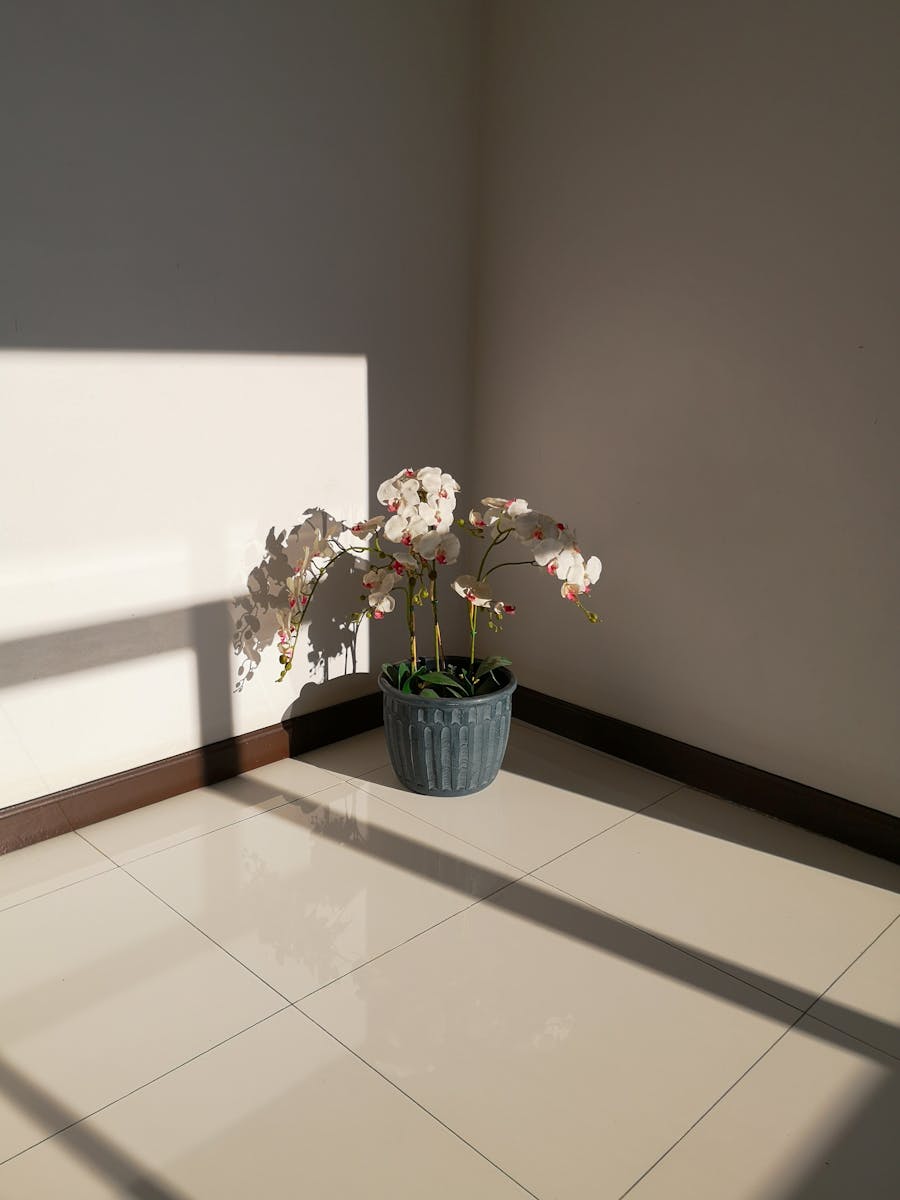
In today’s fast-paced, consumer-driven society, many individuals find themselves overwhelmed by the constant pursuit of more—more possessions, more experiences, more social media presence, and more expectations. As a result, they often feel drained, stressed, and disconnected from what truly matters. Enter the minimalist lifestyle philosophy—a movement that advocates for intentional living, focusing on what is essential while eliminating distractions.
Minimalism is not merely about owning fewer things. It is a mindset, a philosophical approach to living that encourages simplicity, intentionality, and mindfulness. At its core, minimalist living promotes the idea that less is more, urging individuals to concentrate on what brings them true happiness, fulfillment, and purpose.
Defining Minimalism: More Than Just Decluttering
Minimalism is frequently associated with the act of decluttering—getting rid of unnecessary possessions to make one’s space cleaner and more organized. While decluttering is an integral part of minimalist living, it is not the philosophy’s sole focus. Minimalism goes beyond the physical realm to address the mental, emotional, and social aspects of life.
At its heart, the minimalist lifestyle philosophy emphasizes the importance of aligning one’s life with core values, fostering a sense of purpose, and focusing on what is truly essential. Minimalists often ask themselves critical questions such as: What do I truly need to live a fulfilled life? What activities and relationships bring me joy and meaning? What can I let go of to create space for the things that matter most?
Minimalism also encourages intentionality and mindfulness, urging individuals to make deliberate choices in all aspects of their lives—from material possessions to how they spend their time and energy. This intentional approach allows people to cut out distractions and focus on what aligns with their values, leading to greater clarity and fulfillment.
The Philosophy Behind Minimalism: Less Is More
The minimalist lifestyle philosophy is rooted in the belief that simplicity leads to a deeper sense of satisfaction. In contrast to the consumerist culture that equates success with accumulating more things, minimalism argues that the pursuit of excess can often lead to emptiness. By choosing to have fewer possessions, minimalists aim to create space for more meaningful experiences and relationships.
Minimalists believe that by shedding the unnecessary, they can embrace a richer life—one that is focused on quality over quantity. They recognize that material possessions can clutter both physical and mental spaces, preventing them from living authentically. By intentionally choosing what to keep and what to let go of, minimalists create an environment where they can thrive, free from the distractions of excess.
Furthermore, minimalism encourages a shift in perspective from external to internal fulfillment. Instead of seeking happiness through external achievements or material acquisitions, minimalists focus on cultivating inner peace, mindfulness, and contentment. They prioritize their personal growth, well-being, and relationships over the constant pursuit of more.
The Benefits of Minimalist Living
The minimalist lifestyle philosophy offers a wide range of benefits, not just in terms of material possessions, but also in terms of mental, emotional, and social well-being. Here are some of the key advantages of adopting a minimalist approach to life:
- Reduced Stress and Anxiety: One of the most immediate benefits of minimalism is the reduction in stress and anxiety. By eliminating excess possessions and distractions, minimalists create a cleaner, more organized living environment that promotes peace of mind. The less cluttered one’s space is, the less there is to worry about or manage. With fewer responsibilities tied to material belongings, individuals can focus on what really matters and experience a greater sense of calm.
- More Time and Freedom: Minimalists often report having more time and freedom in their lives because they are not constantly consumed by the need to acquire, maintain, or organize possessions. By simplifying their lifestyle, they free up mental and physical space to focus on hobbies, relationships, and self-care. The time that would otherwise be spent on maintaining excess possessions is redirected toward more meaningful pursuits, leading to greater satisfaction.
- Financial Freedom: Embracing a minimalist lifestyle often results in significant savings. Minimalists typically spend less on material goods, experiences, and services that they don’t truly need. Instead of mindlessly purchasing things to keep up with trends or societal expectations, minimalists make conscious decisions about what to buy, prioritizing quality and necessity over quantity. This shift in spending habits can help individuals save money, reduce debt, and achieve greater financial stability.
- Improved Focus and Clarity: Minimalism encourages intentionality, helping individuals focus on what truly matters to them. By cutting out distractions, whether they are material possessions, unnecessary commitments, or toxic relationships, minimalists can direct their energy toward their goals, passions, and values. The simplicity that comes with minimalism fosters a clearer mindset, enabling individuals to make better decisions and stay focused on their purpose.
- Enhanced Relationships: When minimalists reduce their focus on material possessions, they create more room for meaningful relationships. Without the distractions of consumerism, they can devote more time to the people who matter most to them. Minimalism encourages quality over quantity in relationships, meaning that individuals prioritize spending time with those who add value to their lives rather than engaging in superficial connections. This can lead to deeper, more fulfilling bonds with family, friends, and loved ones.
- Environmental Impact: The minimalist philosophy also promotes sustainability and conscious consumption. By owning fewer possessions and consuming less, minimalists reduce their ecological footprint, making a positive impact on the planet. Minimalists are more likely to choose items that are durable, high-quality, and eco-friendly, and they are less likely to engage in wasteful habits such as fast fashion or disposable goods.
- Personal Growth and Self-Discovery: Living a minimalist lifestyle encourages individuals to reflect on their values, goals, and desires. The process of letting go of material possessions and commitments often leads to a deeper understanding of one’s true self. Minimalists may find that they are more content and fulfilled when they focus on personal growth and self-improvement rather than on external possessions or achievements.
The Minimalist Mindset: Letting Go of the Unnecessary
The minimalist lifestyle is not simply about reducing physical clutter—it is also about adopting a mindset of letting go. Letting go of the unnecessary is an essential part of minimalism, and this applies not only to material possessions but also to unproductive habits, toxic relationships, and negative thought patterns.
The minimalist mindset encourages individuals to embrace impermanence and focus on what is truly important. Rather than clinging to the past or fixating on the future, minimalists strive to live in the present moment, appreciating what they have and letting go of what no longer serves them.
This process of letting go can be difficult, as it requires individuals to confront their attachments to possessions, beliefs, or behaviors that no longer align with their values. However, by making space for what is meaningful, minimalists find that they can live more authentically and experience greater peace and happiness.
How to Embrace the Minimalist Lifestyle
Adopting a minimalist lifestyle does not require an extreme overhaul of one’s life. Instead, it is a gradual process that can be tailored to individual needs and preferences. Here are some practical steps for embracing minimalism:
- Declutter Your Space: Start by decluttering your physical environment. Go through your belongings and ask yourself whether each item serves a meaningful purpose in your life. Donate or sell items that are no longer needed, and be intentional about what you keep. The goal is not to get rid of everything but to eliminate excess and create space for what truly matters.
- Simplify Your Schedule: Evaluate how you spend your time and eliminate activities that drain your energy or do not align with your goals. Focus on the things that bring you joy and fulfillment, and learn to say no to commitments that do not add value to your life.
- Mind Your Finances: Be intentional with your spending. Avoid impulse purchases and focus on buying items that add value to your life. Consider investing in quality items that will last longer, rather than cheap, disposable goods.
- Cultivate Mindfulness: Practice mindfulness by being present in the moment and focusing on your thoughts, feelings, and actions. By being aware of your choices and their impact on your life, you can make more intentional decisions that align with your values.
- Prioritize Relationships: Invest in the relationships that matter most to you. Spend time with family and friends who bring you joy and support your personal growth. Let go of toxic or superficial connections that drain your energy.
- Focus on Personal Growth: Take time for self-reflection and personal development. Embrace the journey of discovering who you truly are and what brings you meaning and purpose.
Conclusion: The Power of Simplicity
The minimalist lifestyle philosophy offers a powerful antidote to the chaos and overwhelm that often accompany modern life. By embracing simplicity, intentionality, and mindfulness, individuals can create a life that is more fulfilling, meaningful, and aligned with their true values. Minimalism is not just about owning fewer things—it is about living more consciously, with a focus on what truly matters.
In a world that constantly encourages us to accumulate more, minimalism reminds us that less can be more—that by shedding the unnecessary, we can make room for the things that bring us joy, purpose, and peace. Whether it’s through decluttering, simplifying our schedules, or focusing on meaningful relationships, minimalism offers a path to a richer, more rewarding life.