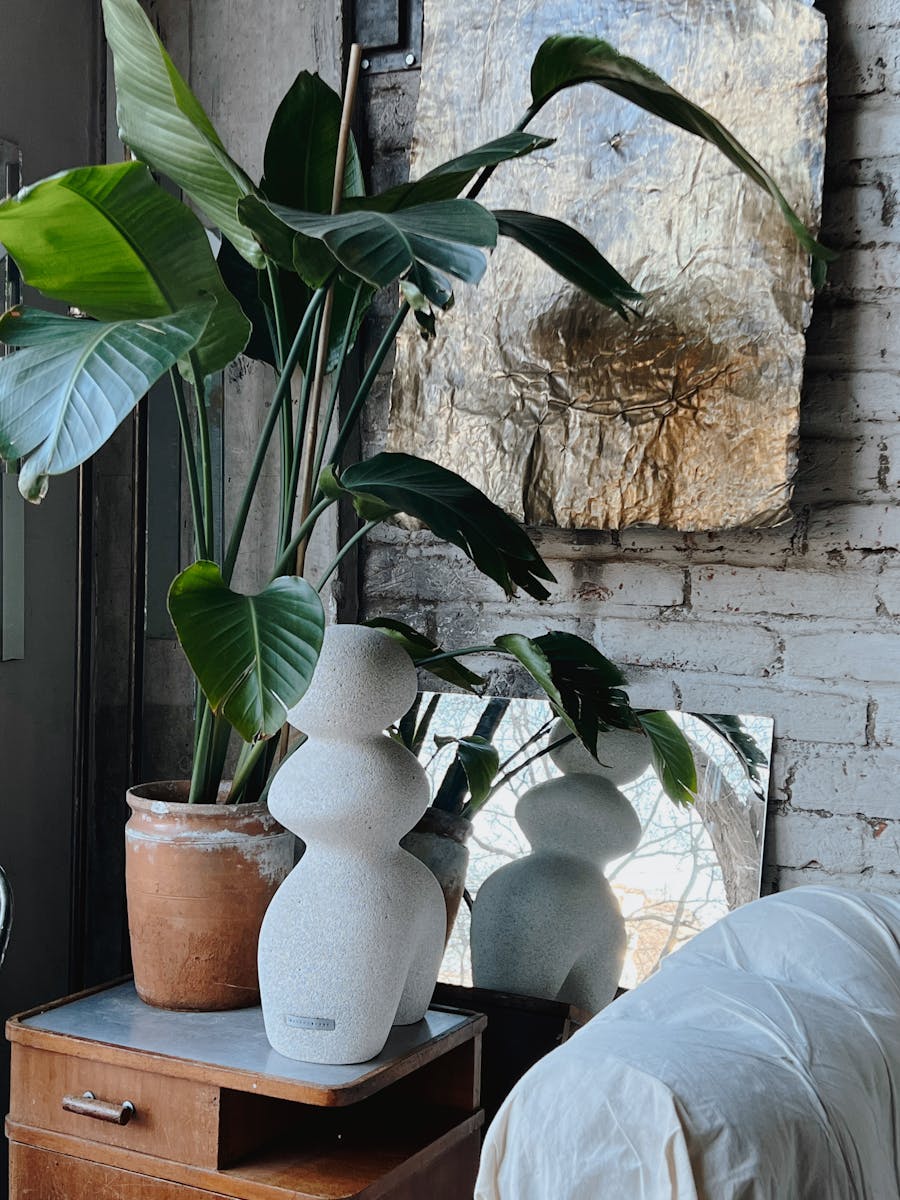
In today’s fast-paced world, our homes serve as sanctuaries—a place to escape, recharge, and experience peace away from the chaos of daily life. A growing number of people are opting for minimalist designs, where less is more, especially in their living rooms. A minimalist natural living room brings the best of both worlds, offering a serene, clutter-free environment infused with the beauty and tranquility of nature. If you’re drawn to the calm, simplicity, and elegance of natural elements, this design style may be exactly what you’re looking for. In this article, we’ll explore how to create a minimalist natural living room and why it might be the perfect choice for your home.
Understanding Minimalist Design
Minimalism is a design philosophy that focuses on simplicity, functionality, and the removal of unnecessary elements. It embraces clean lines, open spaces, and an overall lack of clutter. The aim is to create a space that feels both calm and spacious, where every piece serves a purpose and there’s a sense of freedom in the openness.
In a minimalist design, every object and element in the room is carefully curated. This makes the space feel uncluttered and organized. Often, minimalist spaces rely on neutral color schemes, geometric forms, and an intentional balance between function and aesthetic. However, minimalist doesn’t mean cold or impersonal. When done correctly, minimalism creates a sense of harmony that’s both visually pleasing and emotionally soothing.
The Influence of Nature in Minimalism
Integrating natural elements into minimalist design can bring warmth and life to an otherwise cool, sparse room. In minimalist natural design, the goal is to infuse the living room with raw, organic materials and elements from the natural world. This approach aims to merge the simplicity of minimalist design with the comforting and grounding energy of nature.
Natural materials such as wood, stone, linen, cotton, and wool are often used to create a space that feels welcoming and grounded. Natural textures, earthy tones, and plants are key components of this style, helping the room feel both elegant and connected to the environment. The idea is to create a living room that encourages relaxation and reflection, bringing you closer to nature without sacrificing the principles of minimalist design.
Key Elements of a Minimalist Natural Living Room
1. Neutral Color Palette
One of the defining characteristics of a minimalist natural living room is the use of neutral colors. A palette of whites, beiges, soft greys, and warm earth tones creates a calm and serene atmosphere. These shades evoke a sense of peace and spaciousness, making the room feel more expansive.
For walls, a crisp white or light beige can work wonders in creating a blank canvas. Furniture can be in muted tones such as light wood, soft grey, or natural fabrics like cotton and linen. Accents like cushions or throws can introduce subtle colors, such as soft greens or browns, to add depth and warmth while still maintaining the minimalist look.
2. Natural Materials
A hallmark of a natural minimalist living room is the use of raw and organic materials that connect the space with nature. Incorporating wood, stone, metal, and glass into the design enhances the sense of natural beauty. Here are some common materials to consider:
- Wood: Whether it’s reclaimed wood, oak, or ash, wooden furniture pieces bring warmth and texture to the room. A wooden coffee table, bookshelf, or side tables are perfect examples of how wood can add a natural, grounding element to your living room.
- Stone: A stone fireplace, a stone accent wall, or a stone coffee table can introduce a raw, elemental quality to the room. Stone is timeless and gives the space a sense of permanence and tranquility.
- Textiles: Linen, cotton, wool, and jute are all natural textiles that feel soft and cozy. Use them for cushions, throws, rugs, and upholstery to add texture without overwhelming the space.
- Leather: High-quality, natural leather can be used for seating or accents. Its rich texture and durability make it a perfect addition to a minimalist natural living room.
3. Natural Light
Minimalist natural living rooms embrace the importance of natural light. Large windows or strategically placed mirrors allow light to flood into the room, creating a bright, airy space. The aim is to let the outside world become an integral part of the interior, making the boundaries between indoor and outdoor spaces feel more fluid.
Sheer curtains or blinds can help control the amount of light while maintaining a soft, relaxed ambiance. Opt for light fabrics that don’t obstruct the natural light, and if privacy is a concern, consider blinds that still allow some light to pass through.
4. Indoor Plants
No minimalist natural living room is complete without indoor plants. Plants are essential to bringing the outdoors inside and breathing life into the space. They purify the air, add color, and create a peaceful, calming atmosphere.
Consider a variety of plants with different shapes, sizes, and textures. Tall indoor trees like fiddle-leaf figs or rubber plants add height and structure, while smaller plants like succulents or air plants work well on shelves or side tables. Avoid overcrowding the space with too many plants; instead, focus on a few carefully chosen plants that complement the room’s design.
5. Clean, Simple Furniture
In a minimalist natural living room, the furniture should be sleek and simple. Choose pieces that are functional yet aesthetically pleasing. Sofas with clean lines and simple forms, coffee tables with natural wood finishes, and chairs with minimalist designs create a sense of balance and harmony in the room.
Opt for furniture that feels lightweight and unobtrusive. Overly large or bulky furniture can clutter the space, detracting from the calm atmosphere. Instead, choose furniture with open spaces underneath to maintain a sense of flow. Neutral-toned upholstery in linen or cotton fabrics creates a natural, relaxed vibe that enhances the minimalist aesthetic.
6. Open Space and Clutter-Free Surfaces
A key principle of minimalism is the importance of decluttering. Keep surfaces free of unnecessary objects, and avoid over-decorating the space with knick-knacks or excessive accessories. The goal is to create a living room where only the essentials are present—each piece should have purpose and meaning.
Storage solutions should be discreet, allowing for hidden storage to keep clutter out of sight. Use minimalist shelving units or closed storage units to keep your living room organized and free from distractions. A clean, open floor plan adds to the sense of space and tranquility.
7. Simple, Statement Lighting
Lighting is an essential element in any room, and in a minimalist natural living room, it should be both functional and stylish. Choose simple light fixtures made from natural materials such as wood or metal, and avoid overly ornate or complex designs.
Pendant lights, floor lamps, or wall sconces with soft, warm lighting can create a cozy ambiance without overwhelming the space. Consider dimmable lighting to allow you to adjust the mood based on the time of day or activity.
8. Subtle Decor and Art
In a minimalist natural living room, less is more when it comes to decor. Rather than filling the walls with artwork or posters, opt for a few carefully chosen pieces that align with the natural theme. Abstract or nature-inspired artwork, such as landscapes or botanical prints, can enhance the peaceful, organic vibe of the room.
Use decorative items sparingly—perhaps a few ceramic vases, woven baskets, or simple sculptures. The decor should feel purposeful and not detract from the calm atmosphere of the space.
How to Achieve a Balanced Look
Achieving a balanced minimalist natural living room requires attention to detail. The space should feel harmonious, with a clear flow and a thoughtful combination of textures, colors, and materials. Here are a few tips to help you strike the right balance:
- Mix Textures: Even though the overall aesthetic is minimalist, textures play an important role in making the space feel inviting. Mix smooth surfaces with rougher textures, such as a sleek stone fireplace against a soft wool rug.
- Create Zones: If your living room is large, consider creating zones for different activities. Use rugs or furniture placement to define seating areas, reading nooks, or spaces for relaxation.
- Embrace Negative Space: In a minimalist design, negative space is just as important as the objects that occupy it. Leave room for the eye to rest by allowing ample open space between furniture and objects.
Why Choose a Minimalist Natural Living Room?
- Calming Atmosphere: The combination of minimalist design and natural elements creates a peaceful, serene space. The absence of clutter and the presence of natural materials can have a calming effect on your mind and body.
- Sustainability: A minimalist natural living room often relies on sustainable materials such as wood, stone, and organic textiles. These materials are not only beautiful but environmentally friendly, making them a great choice for eco-conscious individuals.
- Timeless Appeal: Minimalist designs are timeless and don’t rely on trends. A well-designed minimalist natural living room will always remain relevant and stylish.
- Functional and Practical: Minimalism emphasizes functionality. Every piece of furniture and decor serves a purpose, making the space both practical and efficient.
Conclusion
A minimalist natural living room is a perfect way to bring tranquility, simplicity, and connection to nature into your home. By carefully selecting natural materials, curating a neutral color palette, and embracing open space, you can create a living room that serves as a peaceful retreat. With thoughtful design, this style offers both aesthetic appeal and a calming atmosphere, making it a wonderful choice for anyone seeking a more relaxed and harmonious lifestyle. Whether you’re looking to refresh your current living room or start from scratch, embracing minimalism and nature will undoubtedly create a space that brings joy and comfort for years to come.